BLOGS

ram srt-10

RAM SRT-10 (2004–2006) Buyer’s Guide: Specs, Common Issues & Parts
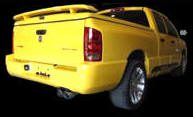
The RAM SRT-10 is one of the more unusual chapters in Dodge performance history: a genuine Viper V10 shoehorned into a RAM 1500 pickup, creating what was, at launch, the fastest production pickup truck ever built. If you own or are considering an SRT-10, here’s what makes it distinct — and what to watch for.

Overview

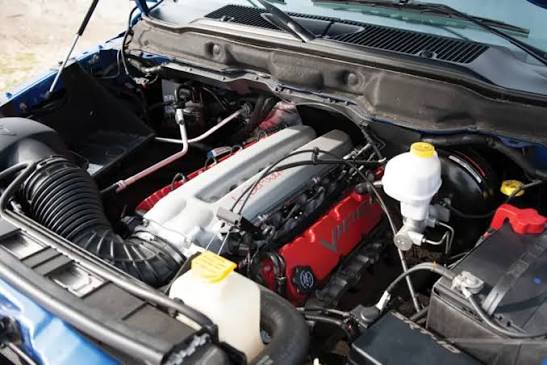
Built from 2004 to 2006, the RAM SRT-10 paired the Gen 3 Viper’s 8.3L V10, producing 500 horsepower, with a RAM 1500 regular cab chassis. A Quad Cab version was added for the 2005-2006 model years, offering the same drivetrain in a more practical body style.

Key specs: – Engine: 8.3L V10, 500 hp / 525 lb-ft (shared with Gen 3 Viper) – Transmission: 6-speed manual (2004-2005) or 4-speed automatic (2005-2006, Quad Cab) – 0-60: approximately 5.3 seconds – Body: Regular Cab (2004-2006), Quad Cab (2005-2006) – Notable: Held the production pickup truck speed record at launch

What Makes the SRT-10 Distinct

Unlike a standard performance truck built around a modified factory engine, the SRT-10 uses a genuine Viper-derived V10 — meaning many of its drivetrain characteristics, maintenance needs, and even some parts overlap directly with the Gen 3 Viper of the same era.

The Regular Cab version, offered only with the 6-speed manual, is generally considered the more collectible variant, while the Quad Cab automatic prioritized practicality.

Common Issues on the RAM SRT-10

Drivetrain Wear

The added weight of the truck chassis compared to the Viper roadster puts additional stress on clutch and driveline components (manual Regular Cab models), leading to more frequent wear than the equivalent Viper.

Shop Now: Clutch Kits →

Cooling System Stress

Trucks used for towing or hauling put additional demand on the cooling system beyond what the drivetrain was originally engineered for in the Viper application. Regular cooling system inspection is recommended, particularly for trucks with a working history.

Shop Now: Braided Lines & Cooling Parts →

Shared Viper Component Wear

Because the SRT-10 shares its V10 with the Gen 3 Viper, the same water pump, sensor, and ignition considerations that apply to Gen 3 Vipers generally apply here as well.

Shop Now: Ignition Components →

Buying a RAM SRT-10: What to Check

  • Confirm Regular Cab manual vs. Quad Cab automatic — this significantly affects value and driving character
  • Check for evidence of towing or hauling use, which accelerates drivetrain and cooling system wear
  • Inspect clutch engagement (manual models) given the added stress from truck weight
  • Verify mileage and maintenance history carefully, as these trucks were sometimes used as intended (as trucks) rather than preserved as collector vehicles

Parts Compatibility Notes

The SRT-10 shares significant engine and some drivetrain components with the Gen 3 Viper (2003-2006), meaning certain parts — particularly engine components — may cross over. However, chassis, suspension, and body components are truck-specific and not interchangeable with the Viper. Always confirm compatibility before ordering.

Shop Now: All RAM SRT-10 Parts →

Frequently Asked Questions

What engine is in the RAM SRT-10?

An 8.3L V10 producing 500 horsepower, derived from the Gen 3 Dodge Viper’s engine.

Is the RAM SRT-10 the fastest pickup truck ever made?

At its 2004 launch, the RAM SRT-10 held the production pickup truck speed record, a title it held for several years.

What’s the difference between Regular Cab and Quad Cab SRT-10?

The Regular Cab (2004-2006) was offered exclusively with a 6-speed manual transmission, while the Quad Cab (2005-2006) paired the same engine with a 4-speed automatic transmission in a more practical body style.

Do RAM SRT-10 and Dodge Viper parts interchange?

Some engine components cross over due to the shared V10, but chassis, suspension, and body components are truck-specific and not interchangeable with the Viper.

What are common problems with the RAM SRT-10?

Drivetrain wear (particularly clutch components on manual models) and cooling system stress are the most commonly reported issues, especially on trucks with towing or hauling history.


dodge viper gen 5

Dodge Viper Gen 5 / Stryker (2013–2017): Specs, Common Issues & Parts Guide

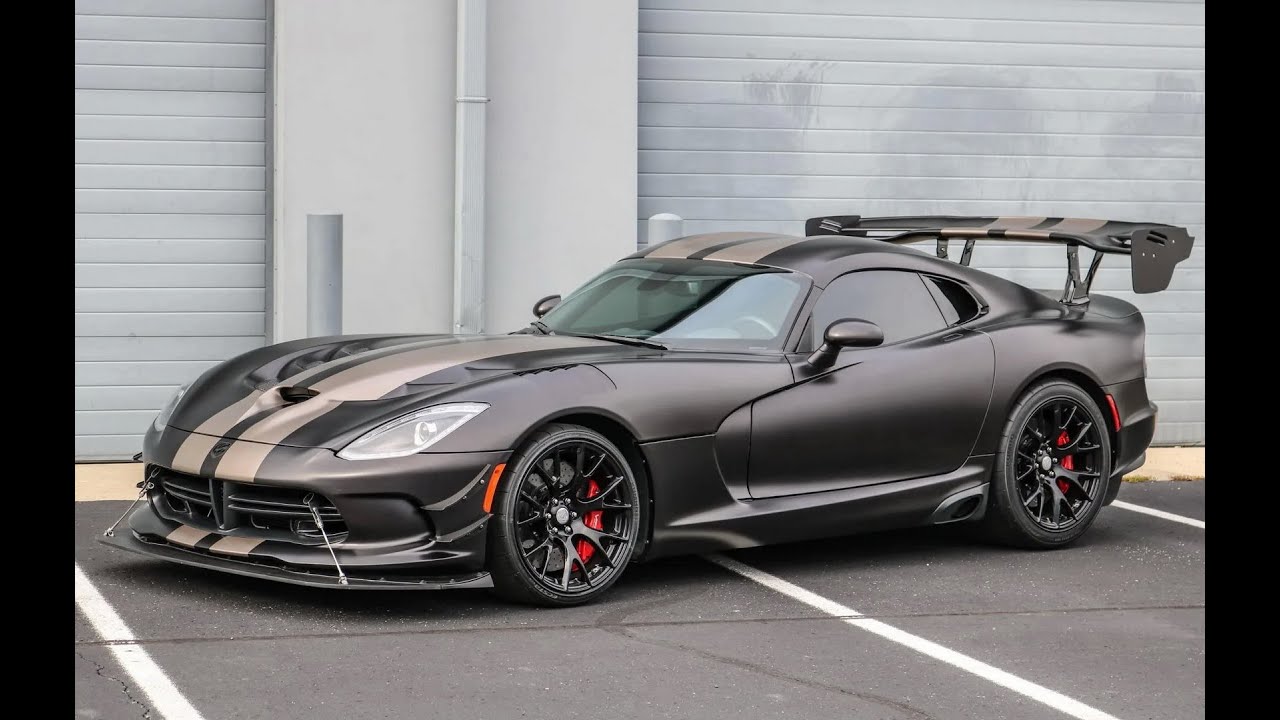
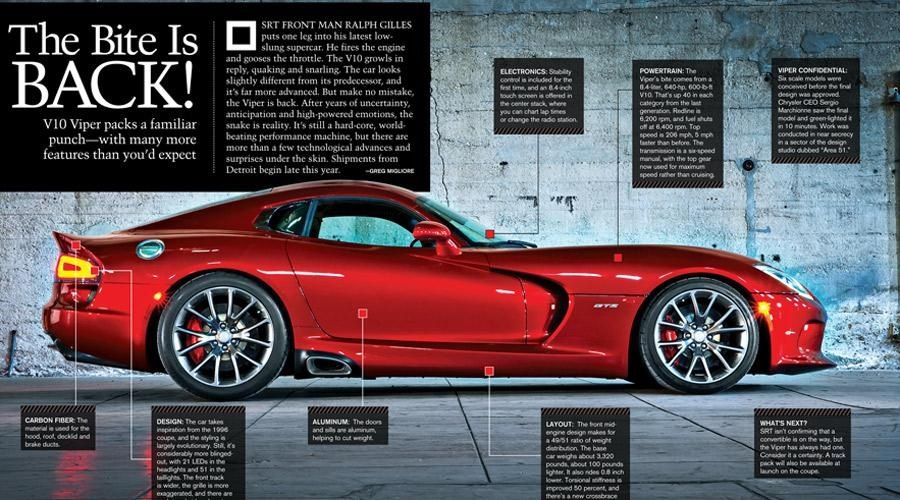
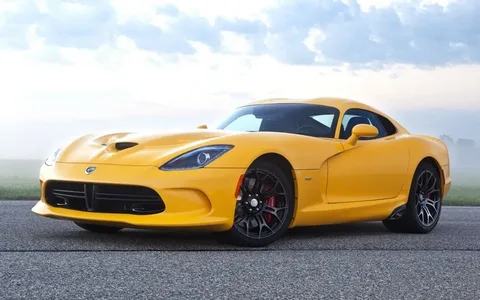
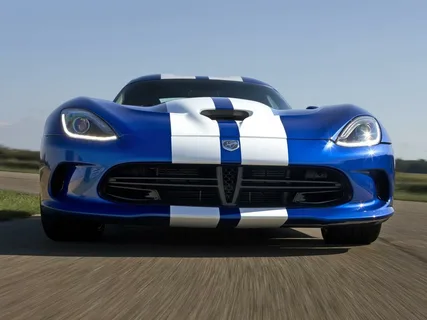
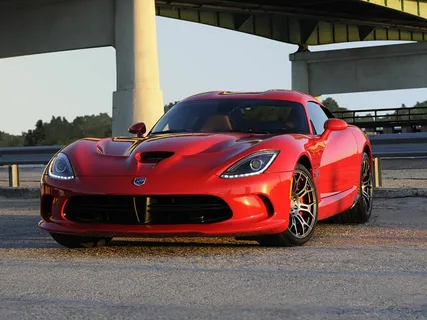
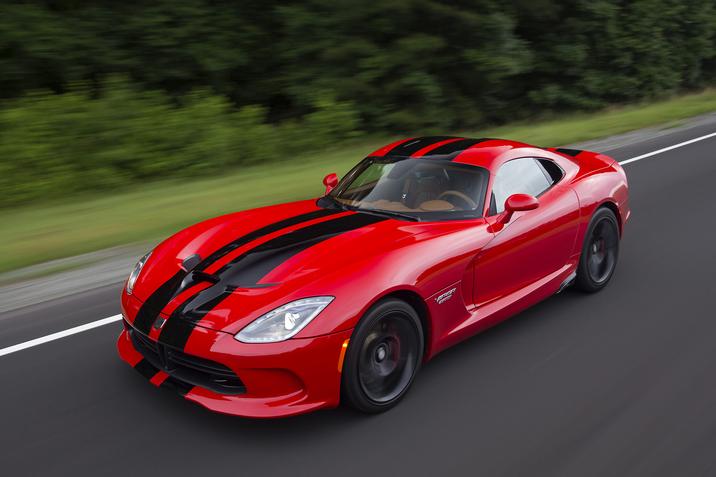
The Gen 5 Viper, developed under the internal codename “Stryker,” was the final and most advanced generation before Dodge ended Viper production in 2017. It brought a completely new chassis, the highest factory horsepower of any Viper, and the car’s first modern electronic driver aids.

Overview: The Final Generation

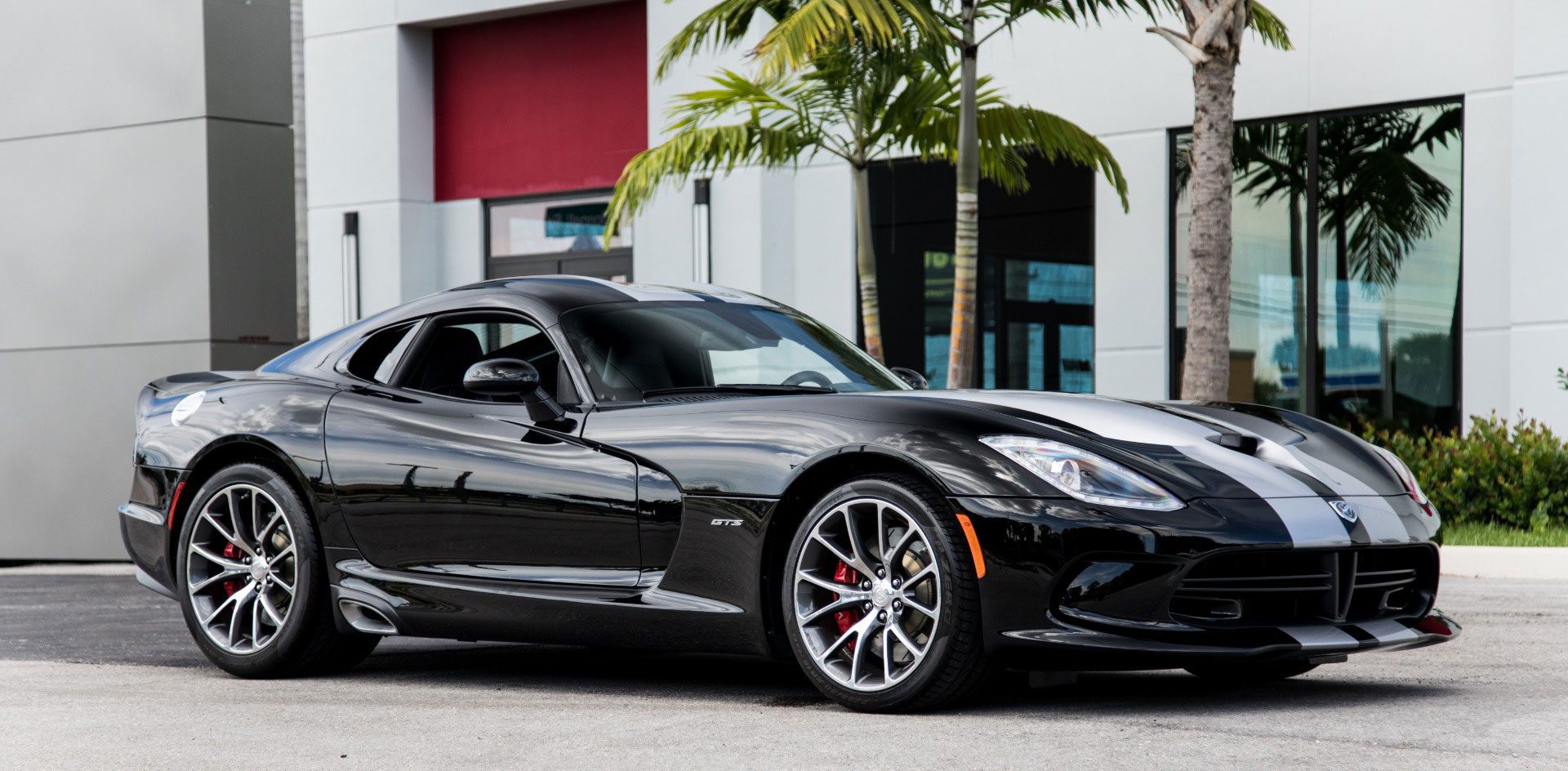
Gen 5 launched in 2013 with an all-new chassis, an 8.4L V10 producing up to 640 horsepower in base trim, and — for the first time in Viper history — standard traction control and stability management. Multiple trims were offered across the production run, including the track-focused TA (Time Attack) and ACR variants, which pushed output to 645-650 horsepower.

Key specs: – Engine: 8.4L V10, 640-650 hp depending on trim – Transmission: 6-speed manual (Tremec TR-6060) – 0-60: approximately 3.4 seconds (TA/ACR) – Trims: SRT, GTS, TA, TA 2.0, ACR, and 1:28 Edition (final ACR variant) – Electronic stability control: standard for the first time in Viper history

Trim Breakdown

  • SRT / GTS: Base and grand touring trims, focused on daily usability with full luxury features
  • TA (Time Attack): Track-focused suspension, aero, and weight reduction over GTS
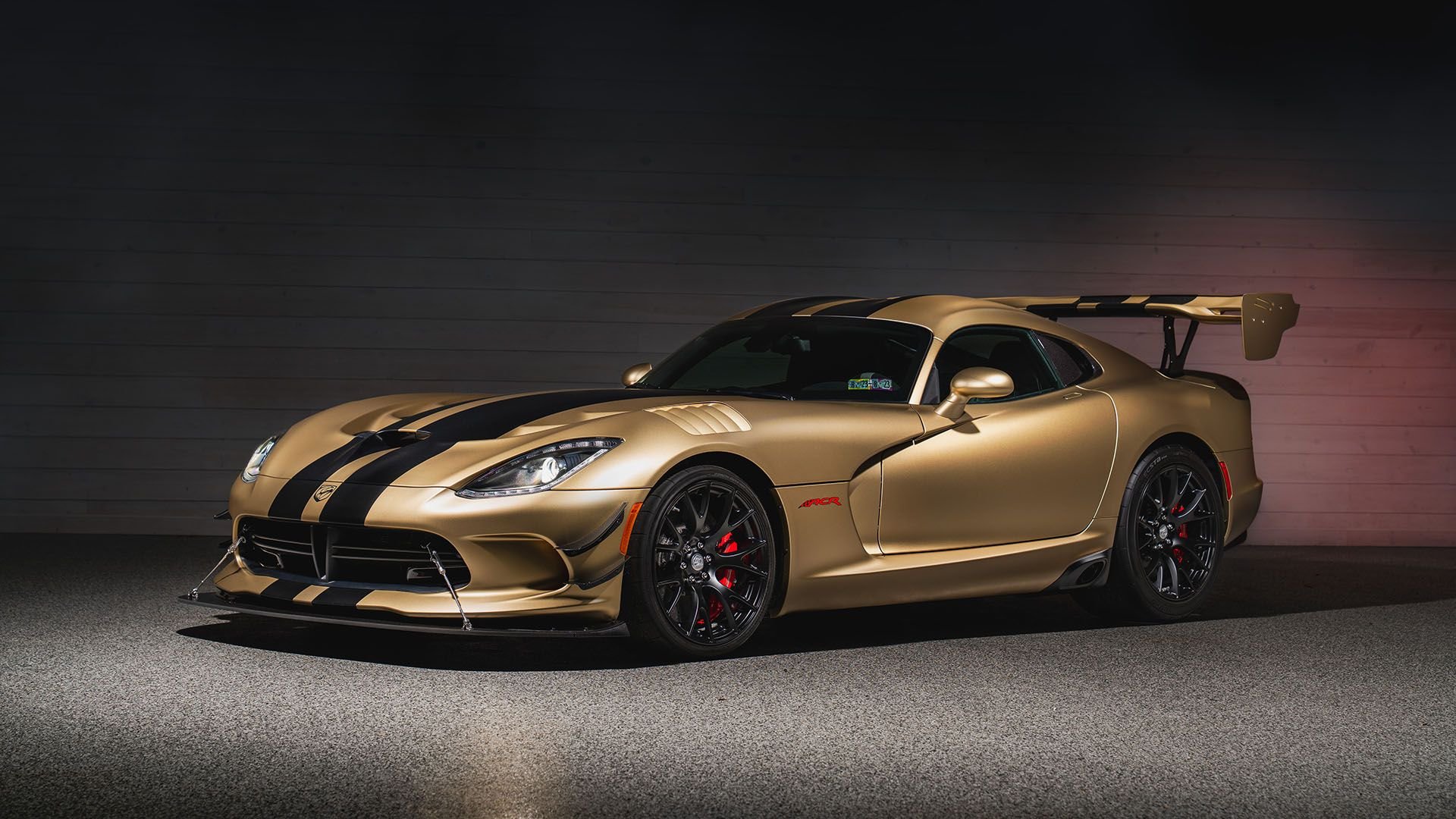
  • ACR (American Club Racer): The most track-extreme Viper ever produced, with adjustable aero producing significant downforce and a fully adjustable suspension
  • 1:28 Edition: The final and rarest ACR variant, named for its record-setting lap time at Laguna Seca

Common Issues on Gen 5 Vipers

Brake System Wear

Gen 5’s higher performance ceiling — especially on TA and ACR trims used on track — puts more stress on factory brake components than earlier generations experienced under similar use.

Shop Now: Brakes →

Ignition System Wear on Tuned Cars

Cars with aftermarket tunes report more frequent ignition system inspection needs, given the increased demands placed on the system.

Shop Now: Ignition Components →

Suspension Component Wear

Given the more aggressive performance envelope of Gen 5, particularly TA/ACR trims, annual underbody inspection for suspension wear is recommended even for street-driven cars.

Shop Now: Suspension Parts →

Buying a Gen 5 Viper: What to Check

  • Confirm exact trim (SRT, GTS, TA, TA 2.0, ACR, 1:28) — this significantly affects value, parts, and suspension specification
  • Check brake wear closely on any car with documented track use
  • Verify whether the car has factory or aftermarket tune, as this affects maintenance intervals for ignition components
  • ACR and 1:28 Edition cars carry collector premiums — verify authenticity and documentation carefully

Parts Compatibility Notes

Gen 5 represents a completely new platform with no parts crossover to Gen 1-4 Vipers. Within Gen 5, trim-specific differences (particularly TA/ACR aero and suspension components) mean parts are not universally interchangeable across trims — always confirm your exact trim before ordering suspension or aero components.

Shop Now: All Gen 5 Viper Parts →

Frequently Asked Questions

What years is the Gen 5 Dodge Viper?

2013 through 2017, the final generation before Dodge ended Viper production.

What is the fastest Dodge Viper ever made?

The Gen 5 ACR and 1:28 Edition, producing up to 650 horsepower with track-tuned aero and suspension, represent the most track-capable factory Vipers ever produced.

What does Viper TA mean?

TA stands for Time Attack — a track-focused Gen 5 trim positioned between the GTS and the more extreme ACR, with upgraded suspension and aero over the base car.

Does the Gen 5 Viper have traction control?

Yes — Gen 5 was the first Viper generation to include standard electronic stability and traction control systems.

Are Gen 5 Viper parts compatible with earlier generations?

No. Gen 5 uses a completely redesigned chassis and platform with no parts crossover to Gen 1 through Gen 4 Vipers.

dodge viper gen 3 gen 4

Dodge Viper Gen 3 & 4 (2003–2010): Specs, Common Issues & Parts Guide

The Gen 3 and Gen 4 Viper represented a complete reinvention of the car — new body, new chassis, and a significant leap in both power and build quality over the original generations. Badged as the SRT-10, these years brought the Viper into the modern performance car era.

Gen 3 (2003–2006): A Complete Redesign

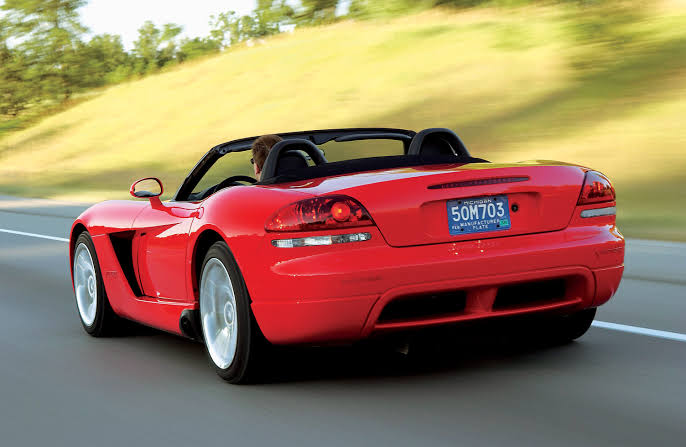
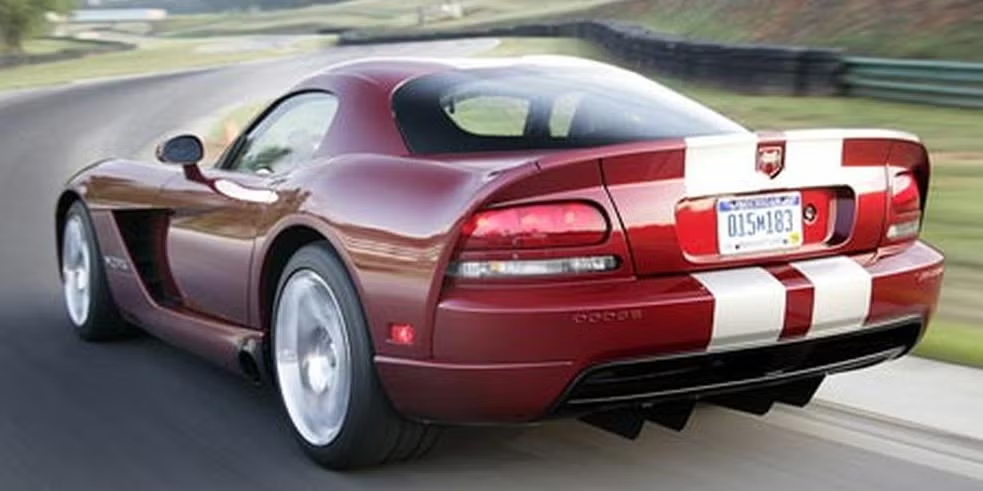
Gen 3 introduced an entirely new, rounder body style, a fully redesigned chassis, and an 8.3L V10 producing 500 horsepower. Build quality and interior refinement improved substantially over Gen 1/2, and the car launched convertible-only before the coupe returned in 2006.

Key specs: – Engine: 8.3L V10, 500 hp / 525 lb-ft – Transmission: 6-speed manual (Tremec T-56) – 0-60: approximately 4.0 seconds – Body: Convertible (2003-2005), Coupe returned 2006

Gen 4 (2008–2010): More Power, Track Focus

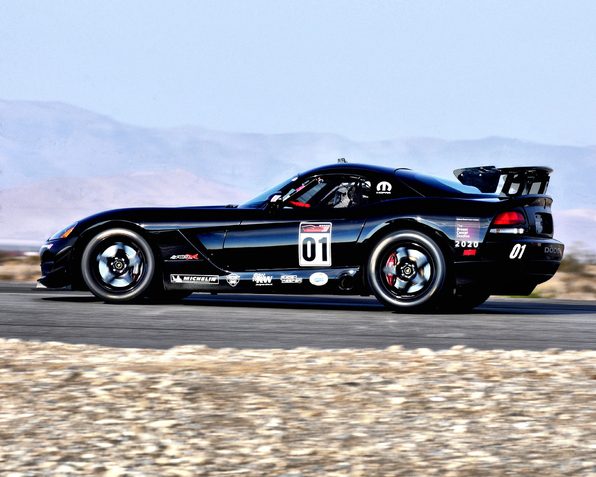
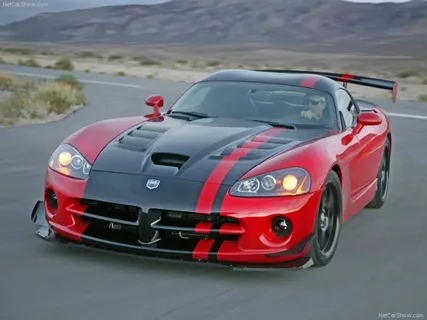
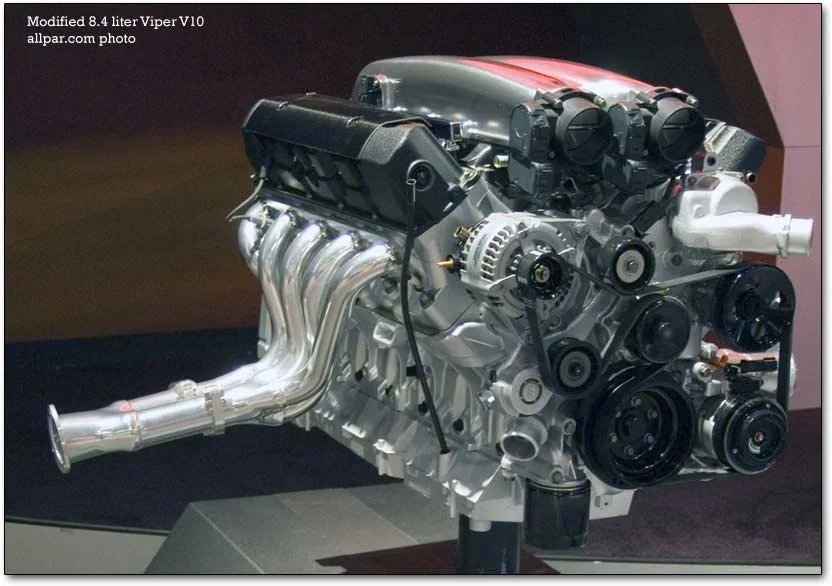
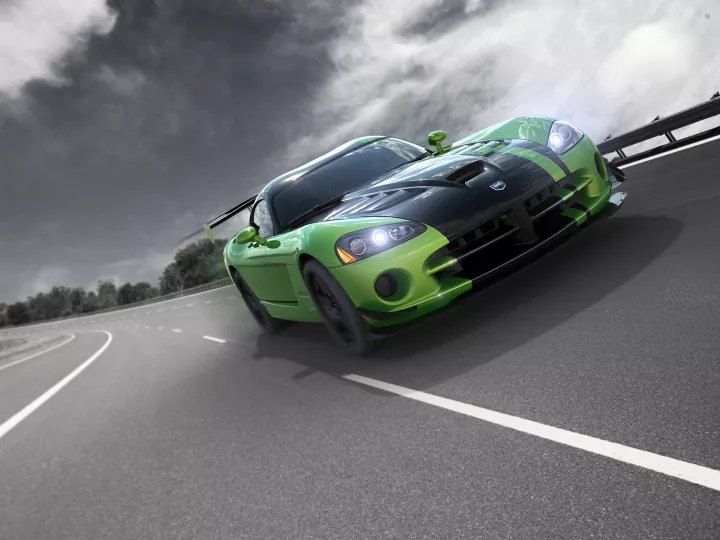
Gen 4 bumped displacement to 8.4L, raising output to 600 horsepower, and introduced the ACR (American Club Racer) trim — a track-focused variant with a functional wing, adjustable coilovers, and stripped-down interior options for serious track drivers.

Key specs: – Engine: 8.4L V10, 600 hp / 560 lb-ft – Transmission: 6-speed manual (Tremec T-56) – ACR trim: Adjustable KW coilovers, functional aero, track-tuned suspension – Production paused after 2010, returning with the all-new Gen 5 in 2013

Common Issues on Gen 3 & 4 Vipers

Serpentine Belt Wear

More frequently reported on these years than earlier generations, particularly on cars with added accessory loads like superchargers or aftermarket pulleys.

Shop Now: Cooling & Heating Parts →

Crank Sensor Failure

Intermittent stalling, rough idle, or no-start conditions are often traced to a failing crank sensor on Gen 3/4 cars — a relatively affordable fix if caught early.

Shop Now: PCM/ECM & Sensor Parts →

Front Sway Bar Link Wear

Clunking noises over bumps or reduced handling precision often point to worn sway bar links, especially on cars used for spirited or track driving.

Shop Now: Suspension & Shocks →

Buying a Gen 3 or Gen 4 Viper: What to Check

  • Confirm ACR vs. standard trim on Gen 4 — this significantly affects suspension components and resale value
  • Check belt and accessory drive condition, especially on modified cars
  • Inspect for aftermarket tunes, which can mask or accelerate wear on ignition and crank sensor components
  • Verify convertible vs. coupe body on Gen 3, as some trim and structural parts differ

Parts Compatibility Notes

Gen 3 and Gen 4 share the same body and chassis platform, meaning many exterior and interior parts are interchangeable. However, engine and some drivetrain components differ due to the displacement increase from 8.3L to 8.4L — always confirm engine spec before ordering engine-specific parts.

Shop Now: All Gen 3 & 4 Viper Parts →

Frequently Asked Questions

What is the difference between Gen 3 and Gen 4 Viper?

Gen 4 (2008-2010) increased displacement to 8.4L and horsepower to 600, up from Gen 3’s 500 hp 8.3L V10, and introduced the track-focused ACR trim with adjustable coilovers and functional aero.

What years is the Dodge Viper SRT-10?

The SRT-10 badge applies to Gen 3 (2003-2006) and Gen 4 (2008-2010) models, both featuring the redesigned body and chassis introduced in 2003.

What is the ACR Viper?

ACR stands for American Club Racer — a track-focused trim introduced in Gen 4 (2008-2010) featuring adjustable KW coilovers, functional aerodynamic elements, and track-tuned suspension.

Why was there no 2007 Dodge Viper?

Production paused between the 2006 and 2008 model years while Dodge developed the updated 8.4L engine and ACR trim introduced with Gen 4.

Dodge Viper Gen 1 & 2

Dodge Viper Gen 1 & 2 (1992–2002): Specs, Common Issues & Parts Guide

The first two generations of the Viper defined what the car was meant to be: a raw, minimally-assisted, V10-powered driver’s car built with almost no compromise for comfort or convenience. If you own — or are considering — a 1992–2002 Viper, here’s everything that sets these cars apart.

Gen 1 (1992–1995): The Original RT/10

The Gen 1 Viper launched as a roadster-only model with an 8.0L V10 producing 400 horsepower. It shipped without exterior door handles (you reach in through a zippered side curtain or the open top), without ABS, without airbags, and with side-exit exhaust pipes hot enough to warrant a warning sticker on the doors.

Key specs: – Engine: 8.0L V10, 400 hp / 465 lb-ft – Transmission: 6-speed manual only – 0-60: approximately 4.6 seconds – Body: Roadster only, no factory hardtop or coupe

What makes Gen 1 distinct: No traction control, no ABS, no power steering assist tuning refinement — this is the most mechanically direct Viper ever produced.

Gen 2 (1996–2002): Refinement Arrives

Gen 2 kept the same fundamental formula but addressed many of Gen 1’s rough edges. The GTS Coupe was introduced in 1996 — a hardtop variant with a distinctive double-bubble roof — and by the end of the run, output climbed to 450 horsepower. Chassis rigidity improved significantly, and the interior received modest upgrades.

Key specs: – Engine: 8.0L V10, 415-450 hp depending on year – Transmission: 6-speed manual only – Body: RT/10 Roadster and GTS Coupe – ACR (American Club Racer) package introduced for track-focused buyers

Common Issues on Gen 1 & 2 Vipers

Water Pump Failure

The most frequently reported mechanical issue on these early cars. Watch for coolant loss without a visible external leak, overheating under load, or a whining noise from the front of the engine.

Shop Now: Cooling & Heating Parts →

Clutch Wear

Given the direct, unassisted nature of these cars and typical owner driving style, clutch wear is common. Symptoms include slipping under acceleration and a change in pedal feel.

Shop Now: Clutch Kits →

Steering Rack Play

Reported across both generations, particularly on cars with unknown maintenance history. Look for increasing play in the wheel or fluid leaks near the rack.

Shop Now: Steering Parts →

For full maintenance intervals and DIY repair guidance, the Dodge Viper Maintenance Guide.

Buying a Gen 1 or Gen 2 Viper: What to Check

  • Confirm whether the car has ABS (Gen 2 later years) — a meaningful safety difference from early Gen 1 cars
  • Inspect for the side-pipe heat shielding, a common area of cosmetic wear or aftermarket modification
  • Check clutch engagement point and steering rack play during a test drive
  • Verify GTS vs RT/10 body — this affects trim, interior, and some suspension parts availability

Parts Compatibility Notes

Gen 1 and Gen 2 share the majority of drivetrain and suspension components, though later Gen 2 cars saw running changes to chassis reinforcement and interior trim. Always confirm your exact model year when ordering parts, as some components changed mid-generation.

Shop Now: All Gen 1 & 2 Viper Parts →

Frequently Asked Questions

What years are considered Gen 1 Dodge Viper?

1992 through 1995. The Gen 1 was roadster-only with an 8.0L V10 producing 400 horsepower.

What’s the difference between Gen 1 and Gen 2 Viper?

Gen 2 (1996-2002) introduced the GTS Coupe body style, improved chassis rigidity, refined interior comfort, and increased horsepower up to 450 by the end of the run, compared to Gen 1’s 400 hp roadster-only lineup.

Does the original 1992 Viper have ABS?

No. The Gen 1 Viper (1992-1995) was not equipped with ABS or airbags, consistent with its minimally-assisted design philosophy.

What is the most common problem with early Dodge Vipers?

Water pump failure and clutch wear are the two most frequently reported mechanical issues on Gen 1 and Gen 2 Vipers.


Dodge Viper Generations

The Complete Guide to Dodge Viper Generations (1992–2017): Specs, Differences & Parts Compatibility

The Dodge Viper was produced across five distinct generations between 1992 and 2017, plus a related RAM SRT-10 truck variant from 2004–2006. Each generation represents a meaningful engineering shift — different engines, chassis, electronics, and parts — which means knowing exactly which Viper you own (or want to buy) is the starting point for everything else: maintenance, upgrades, parts sourcing, and resale value.

This guide is the central hub for everything on this site related to Viper ownership, maintenance, and performance. Use it to identify your generation, understand what sets it apart, and then jump into the detailed guides for your specific car.

Dodge Viper Generations at a Glance

Generation Years Common Name Engine Key Identifier
Gen 1 1992–1995 Original RT/10 8.0L V10, 400hp No exterior door handles, side pipes
Gen 2 1996–2002 RT/10, GTS, ACR 8.0L V10, up to 450hp GTS Coupe introduced, refined chassis
Gen 3 2003–2006 SRT-10 8.3L V10, 500hp New rounded body, convertible only initially
Gen 4 2008–2010 SRT-10, ACR 8.4L V10, 600hp Power bump, ACR track package
Gen 5 2013–2017 Viper / Stryker 8.4L V10, 640-650hp Widebody options, TA and ACR trims
RAM SRT-10 2004–2006 SRT-10 Truck 8.3L V10, 500hp Viper drivetrain in a RAM 1500

Each of these generations is covered in full detail in its own dedicated guide, linked throughout this page and below.

Gen 1 & 2 Viper (1992–2002)

The car that started it all. Gen 1 (1992–1995) launched with an intentionally raw, minimal driving experience — no exterior door handles, no ABS, no airbags, and side-exit exhaust pipes that ran hot enough to warn owners with a warning sticker. Gen 2 (1996–2002) refined this significantly, adding the GTS coupe body style, improved chassis rigidity, and up to 450 horsepower by the end of the run.

Best for: Collectors and purists who want the original, most mechanically raw Viper experience.

Watch for: Water pump failure and clutch wear are the most commonly reported issues on these earlier cars.

Read the Full Gen 1 & 2 Viper Guide →

Shop Now: Gen 1 & 2 Viper Parts →

Gen 3 & 4 Viper (2003–2010)

A full redesign. Gen 3 (2003–2006) introduced a completely new, rounder body style, an 8.3L V10 producing 500 horsepower, and significantly improved build quality and creature comforts over Gen 1/2. Gen 4 (2008–2010) bumped displacement to 8.4L and horsepower to 600, and introduced the track-focused ACR (American Club Racer) trim.

Best for: Owners wanting a strong power-to-value balance with more modern comfort and reliability than Gen 1/2.

Watch for: Serpentine belt wear and crank sensor issues are more commonly reported on this generation — covered in the maintenance guide.

Read the Full Gen 3 & 4 Viper Guide →

Shop Now: Gen 3 & 4 Viper Parts →

Gen 5 Viper / Stryker (2013–2017)

The final and most technologically advanced generation. The Gen 5 (internally known as “Stryker” during development) brought a completely new chassis, an 8.4L V10 producing up to 645-650 horsepower in TA and ACR trims, and modern electronics including traction control and stability management — a first for the Viper.

Best for: Buyers wanting the newest, most track-capable, and best-equipped Viper with modern safety systems.

Watch for: Brake system wear under repeated track use and ignition system inspection on tuned cars — see the maintenance guide for specifics.

Read the Full Gen 5 Viper Guide →

Shop Now: Gen 5 Viper Parts →

RAM SRT-10 (2004–2006)

A genuine oddity in truck history: Dodge shoehorned the Viper’s 8.3L V10 into a RAM 1500 regular cab, creating what was, at the time, the fastest production pickup truck in the world. It shares significant drivetrain DNA with the Gen 3 Viper, meaning many maintenance considerations and even some parts overlap.

Best for: Enthusiasts who want Viper performance with truck practicality, or collectors of unusual factory performance vehicles.

Watch for: Drivetrain wear from the added weight of the truck chassis — see our dedicated RAM SRT-10 guide.

Read the Full RAM SRT-10 Guide →

Shop Now: RAM SRT-10 Parts →

How to Identify Your Viper’s Exact Generation and Trim

The fastest way to confirm your Viper’s exact specification is by VIN decode, since trim-level differences (GTS vs. RT/10, ACR vs. standard, TA vs. base) affect factory parts, suspension components, and even body panels.

Why Generation Matters for Parts and Maintenance

Because the Viper underwent major redesigns at nearly every generational shift, parts are frequently not interchangeable across generations — even components that look similar, like sway bar links, engine trim, or interior panels, often have different mounting points, materials, or dimensions from one generation to the next.

This is also why sourcing parts from a generation-aware specialist matters more with the Viper than with most vehicles — a large share of OEM parts have been discontinued by Chrysler entirely, making correct identification essential before ordering anything.

Shop by Generation: Gen 1 & 2 →  |  Gen 3 & 4 →  |  Gen 5 →  |  RAM SRT-10 →

Where to Go Next

This generations guide is the hub for everything else on this site. From here, explore:

  • [Dodge Viper Maintenance Guide] — Full maintenance schedules and common failure points by generation
  • [Dodge Viper Performance Upgrades Guide] — Stage-by-stage upgrade paths by generation
  • [Dodge Viper Interior & Exterior Restoration Guide] — Cosmetic and trim restoration by generation
  • [Owning a Dodge Viper Guide] — Costs, community, and buying advice for new and prospective owners

Frequently Asked Questions

How many generations of Dodge Viper are there?

Five, produced between 1992 and 2017: Gen 1 (1992–1995), Gen 2 (1996–2002), Gen 3 (2003–2006), Gen 4 (2008–2010), and Gen 5 (2013–2017), plus the related RAM SRT-10 truck (2004–2006).

What is the difference between a Gen 3 and Gen 4 Viper?

Gen 4 (2008–2010) increased engine displacement to 8.4L and horsepower to 600 (up from 500 in Gen 3), and introduced the track-focused ACR trim. Both share the same rounded body style introduced in 2003.

Which Dodge Viper generation is the most powerful?

The Gen 5 Viper (2013–2017), particularly the TA and ACR trims, produced up to 645-650 horsepower from its 8.4L V10 — the highest factory output of any generation.

Is the RAM SRT-10 the same as a Dodge Viper?

No, but it shares significant drivetrain components, including a version of the Viper’s V10 engine, installed in a RAM 1500 truck chassis. It’s considered a related but distinct vehicle.

Can I use Gen 3 Viper parts on a Gen 4 Viper?

Many components carry over between Gen 3 and Gen 4 due to their shared chassis and body, but engine and some drivetrain components differ due to the displacement and power increase. Always confirm compatibility by year and trim before ordering.