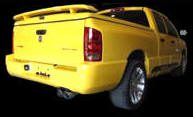
Dodge Viper Clutch Problems: Diagnosis, Cost, and Best Replacement Parts (1992-2017)
Clutch failure is one of the most commonly reported problems affecting Dodge Viper owners, with 120+ documented owner complaints across all generations. The clutch in your Viper takes tremendous abuse from the engine's 8.0-8.4 liter V10 producing 400-645 horsepower, and when it starts to fail, you'll notice slipping, hard shifts, or a spongy pedal immediately.
The good news: You don't have to live with a failing clutch. This comprehensive guide covers everything you need to know: how to diagnose clutch problems, understand repair costs ($800-$3,000), and find the best replacement clutch for your specific Viper generation.

⚠️ URGENT WARNING: Continuing to drive a Viper with a failing clutch can damage the transmission, pilot bearing, and flywheel—turning a $1,500 clutch replacement into a $5,000+ transmission repair. If you notice any clutch symptoms, address them immediately.
TheViperStore.com specializes in Viper clutch problems. We carry factory OEM clutch kits and premium performance replacements for all Viper years (1992-2017) and RAM SRT10 models. With over 20 years serving Viper owners worldwide, we understand exactly what your clutch is experiencing and which replacement is right for your build and driving style.
What You'll Learn
- The 7 warning signs your Viper clutch is failing
- Why Viper clutches fail more often than other cars
- Complete diagnosis steps (do it yourself or professional)
- Exact repair costs by generation and clutch type
- OEM vs premium clutch comparison
- Installation timeline and what to expect
- How to prevent future clutch problems
- Best replacement clutch kits available
7 Warning Signs Your Dodge Viper Clutch Is Failing

Your Viper's clutch will show clear warning signs before it completely fails. Recognizing these symptoms early allows you to replace the clutch before additional damage occurs to your transmission or flywheel. Address these signs immediately to avoid costly secondary repairs.
1. Clutch Slipping
What it feels like: The engine revs higher than usual but the car doesn't accelerate proportionally. You press the accelerator and hear the engine scream while the Viper feels like it's moving through molasses. RPMs spike without corresponding wheel speed.
What's happening: The clutch disc friction material is worn down, preventing the disc from fully engaging with the flywheel. Instead of locking together completely, the surfaces slip against each other. This is the most common Viper clutch problem.
When it occurs: Usually starts during hard acceleration or when the engine is under heavy load. You might notice it worst when:
- Accelerating from a complete stop
- Merging onto highways or passing traffic
- Climbing hills with a heavy load
- During spirited driving or track days
- In higher gears under sustained throttle
Why Vipers are vulnerable: The V10 engine produces 450+ horsepower that puts extreme stress on factory clutch discs. The stock clutch is designed for normal driving, not the high-performance driving many Viper owners do.
2. Hard or Stuck Shifting
What it feels like: The clutch pedal is difficult to press, or the gear lever is hard to move into gear. You might need excessive force to shift, or gears grind despite a full clutch pedal press. Shifts feel notchy or mechanical rather than smooth.
What's happening: The clutch isn't fully disengaging when you press the pedal, leaving residual friction that prevents gears from separating cleanly. This forces the transmission's synchronizers to work overtime to force the gears apart.
When it occurs: Usually happens when the engine is cold or when shifting into lower gears under load. Some Viper owners report the problem gets worse as the clutch heats up during driving.
Related cause: Can also indicate a failing clutch slave cylinder (the most common Viper clutch system issue with 120+ owner reports). The slave cylinder pressure might be leaking, preventing full engagement/disengagement.
3. Spongy or Soft Clutch Pedal
What it feels like: The clutch pedal feels squishy, mushy, or has excessive travel before engaging. The pedal might sink to the floor and stay there. Pressing and releasing feels less responsive than normal.
What's happening: Air or hydraulic fluid is compromising the clutch hydraulic system. The clutch master cylinder, slave cylinder, or lines are leaking or contain air pockets that prevent proper pressure transmission.
Check for leaks: Look under your Viper for drips near the transmission area. A wet spot or puddle indicates a slave cylinder leak—one of the most common Viper clutch problems.
Why Vipers suffer this: The clutch slave cylinder on early Viper models (1992-2002) uses a design prone to seal degradation. Temperature cycling and the vibration from the powerful V10 eventually cause seals to fail.
4. Clutch Pedal Won't Return to Normal Height
What it feels like: After pressing the clutch pedal to shift, the pedal doesn't spring back to its normal resting position. It stays partially pressed or feels stuck. This makes repeated shifting tiring and potentially dangerous in traffic.
What's happening: The clutch return spring is broken or severely weakened. The spring is supposed to automatically return the pedal after you release it. Without it, the pedal stays where you left it.
Immediate action needed: This is a safety hazard. You need professional repair immediately before the pedal becomes completely stuck, potentially trapping your foot.
5. Burning Smell From Under the Car
What it feels like: You smell something acrid or burning—similar to burning rubber—coming from the transmission area. The smell is strongest during heavy acceleration or on track days. The interior of your Viper may also smell like burning friction material.
What's happening: The clutch disc is slipping so badly that friction material is literally burning away from the heat generated. This is an emergency sign that the clutch is at the end of its life.
Don't ignore this: Once the friction material burns away completely, the clutch disc will damage the flywheel, pressure plate, and potentially the transmission. What should be a $1,500 repair becomes a $5,000+ disaster.
Action required: Stop driving and schedule a professional inspection immediately. Continuing to drive risks catastrophic transmission damage.
6. High or Low Clutch Engagement Point
What it feels like: The clutch engages much higher or lower in the pedal travel than it normally does. You have to press the pedal nearly to the floor to disengage the clutch, or it engages with the pedal barely pressed at all. Engagement point varies unpredictably between shifts.
What's happening: The clutch disc is wearing unevenly, or the pressure plate is warped. As the friction material wears, the engagement point gradually moves. Some areas of the disc are worn more than others, creating inconsistent engagement.
Impact on driving: Unpredictable engagement makes smooth shifts impossible. You can't judge when the clutch will engage, making city driving frustrating and potentially unsafe.
7. Noise From the Clutch Area
What it feels like: You hear sounds coming from the transmission area: grinding, clicking, popping, or mechanical rattling. Noise might occur when pressing the pedal, shifting, or when the car is in gear.
What's happening: Several possibilities indicate advanced clutch problems:
- Grinding: Incomplete clutch disengagement forcing gear teeth together
- Clicking/popping: Worn pressure plate springs or damaged clutch fork
- Rattling: Loose clutch bolts or damaged transmission mounting
- Squealing: Failing release bearing that needs replacement
Severity level: Unusual noises indicate the problem has progressed beyond simple wear. Professional diagnosis is essential to prevent transmission damage.
Why Dodge Viper Clutches Fail: Design & Load Factors
The Dodge Viper's clutch fails more frequently than clutches in other sports cars because of the unique combination of extreme power, driving conditions, and design factors specific to your vehicle. Understanding WHY your clutch fails helps you choose a replacement that will last longer.
Extreme Engine Power vs Factory Clutch Design
The power mismatch: Your Viper produces 450-645 horsepower depending on generation, but the factory clutch is designed conservatively to work reliably for average drivers. The factory spec assumes you'll drive normally most of the time.
In reality: Viper owners enthusiastically use every bit of that power. Hard launches, spirited driving, and track days subject the clutch to loads the factory never intended it to handle continuously. The friction material wears rapidly under these conditions.
Numbers that matter:
- Factory clutch rated for: 400-500 continuous HP (conservative)
- Actual Viper power output: 450-645 HP (often exceeded with tuning)
- Typical usage: Enthusiast driving that demands maximum grip
- Expected life: 60,000-120,000 miles (shorter than typical cars)
You're asking a factory-spec component to handle sustained abuse far beyond its design envelope.
Clutch Slave Cylinder Failure (120+ Reports)
The most common Viper clutch problem: The slave cylinder fails before the friction material wears out. When the slave cylinder fails, you lose hydraulic pressure needed to fully disengage the clutch, making shifting impossible or very difficult.
Why it happens: The slave cylinder has rubber seals that degrade over time from heat cycling, vibration from the V10 engine, and hydraulic fluid breakdown. Early Viper models (1992-2002) use a design with known seal weakness.
The warning signs:
- Clutch pedal feels spongy or mushy
- Fluid leak under the transmission area
- Clutch won't fully disengage (hard to shift into gear)
- Gradual loss of hydraulic pressure
The fix: Complete clutch system replacement, which includes slave cylinder replacement along with new friction disc, pressure plate, and release bearing. Most mechanics replace the entire system at once rather than just the slave cylinder.
High-Performance Driving Culture
Viper owners are different: You bought a 450+ HP sports car for a reason. Unlike Camry drivers, you actually USE the power regularly. Track days, drag racing, spirited canyon driving—these are normal Viper activities.
Impact on clutch lifespan:
- Normal driving: Clutch lasts 150,000+ miles
- Spirited/enthusiast driving: 60,000-100,000 miles typical
- Track use: 20,000-50,000 miles (much shorter)
- Drag racing/launch control abuse: 10,000-20,000 miles
The more you use your Viper's potential, the sooner you'll replace the clutch. This is normal and expected.
Temperature Extremes & Operating Conditions
Heat breakdown: Clutch friction material begins to lose effectiveness above 600°C (1,112°F). During sustained hard driving, the clutch disc temperature rises dramatically. Once the friction material reaches critical temperatures, it glazes and loses grip.
Viper-specific factors that increase heat:
- Large-displacement V10 generates tremendous engine heat
- High horsepower creates friction heat during engagement
- Limited airflow to transmission area (tight engine bay design)
- Sustained acceleration from heavy foot drivers
- Track use without cooling breaks
Result: Your Viper's clutch operates at higher temperatures than most cars, accelerating wear on friction material.
Previous Owner Modifications & Abuse
If you bought a used Viper: The clutch may already be compromised from previous owner modifications or abuse:
- Engine tuning (added horsepower stresses stock clutch)
- Launch control abuse (shatters friction material)
- Drag racing or repeated hard launches
- Clutch dumping (sudden full engagement in high gears)
- Track use without proper cooling breaks
Inherited problems: You might experience clutch failure much sooner than expected if the previous owner treated the clutch harshly. This is one reason many Viper shops recommend immediate clutch replacement on used Vipers as preventative maintenance.
Is Your Viper Clutch Failing?
TheViperStore.com stocks the complete range of replacement clutch kits for all Dodge Viper generations (1992-2017) and RAM SRT10 models. From factory OEM to premium performance options, we have the exact replacement your Viper needs.
✓ Factory OEM Clutches | ✓ Performance Kits | ✓ Expert Recommendations
Unsure which clutch you need? Call our experts: 352-688-8160 (M-F 10am-5pm ET)
Complete Clutch Diagnosis Guide: DIY vs Professional
Before replacing your clutch, confirm that you actually have a clutch problem and not a transmission issue or other drivetrain fault. Misdiagnosis could lead to unnecessary repairs. Here's how to diagnose clutch problems properly.
Step 1: Perform the Slipping Test (DIY)
What you need: An empty parking lot and about 5 minutes
The test:
- Warm up your Viper to operating temperature (at least 5 minutes of driving)
- Find an empty, safe area (parking lot or quiet road)
- Put the car in 3rd gear while rolling slowly at 5 MPH
- Press the accelerator completely to the floor
- Hold full throttle for 2-3 seconds
- Watch the tachometer and listen to the engine
Normal result: RPMs increase proportionally with vehicle speed. If you're at 2,500 RPM at 5 MPH, engine accelerates smoothly and proportionally.
Clutch slipping result: RPMs spike well above what's normal (maybe to 4,000+ RPM) but the car doesn't accelerate correspondingly. You'll hear the engine rev higher than the car's acceleration suggests. This confirms clutch slipping.
⚠️ WARNING: Don't perform this test repeatedly or for extended periods. Continued slipping generates extreme heat that will damage the clutch further. Do this once for diagnosis only.
Step 2: Check the Pedal Feel (DIY)
With the engine running:
- Sit in the driver's seat with the engine running
- Press the clutch pedal slowly from the rest position to full depression
- Feel the pressure and response as you press
Normal clutch feel: Smooth pressure building gradually, then a firm stop at full depression. Pedal should spring back smoothly when released.
Problem signs:
- Spongy feel: Pedal feels mushy without firm resistance = slave cylinder issue
- No resistance: Pedal drops to floor with no pressure = hydraulic failure
- Sticks or doesn't return: Return spring broken or stuck = mechanical failure
- Excess travel: Pedal needs to go nearly to floor to disengage = wear or adjustment
Step 3: Inspect for Visual Signs (DIY)
Look for:
- Fluid leaks: Check under the transmission for hydraulic fluid (usually reddish). A wet spot indicates slave cylinder failure.
- Low fluid level: Check the clutch master cylinder fluid reservoir under the hood. Low or empty fluid indicates a leak.
- Burnt smell: Sniff the air from the transmission area. A burnt or acrid smell confirms friction material breakdown.
- Visible damage: Look for cracked components, loose bolts, or physical damage to the transmission housing.
Step 4: Professional Clutch Inspection (Recommended)
What a qualified mechanic will do:
- Road test: Perform the slipping test and feel the engagement points
- Pressure bleeding: Test hydraulic pressure in the clutch system
- Fluid analysis: Check master and slave cylinder fluid conditions
- Thermal imaging: Measure clutch assembly temperature under load (optional but accurate)
- Visual inspection: Look for leaks, damage, or worn components
- Recommendation: Advise whether to repair, rebuild, or replace the clutch
Why use a Viper specialist? General mechanics may not be familiar with the unique characteristics of the Viper's powerful engine and clutch demands. Find a shop experienced with sports cars or Vipers specifically.
Cost of diagnosis: $100-$300 for professional inspection. This is money well spent—a misdiagnosis could cost you thousands in unnecessary repairs.
Dodge Viper Clutch Repair Costs: Complete Breakdown by Type

Clutch replacement costs vary dramatically depending on which components need replacement, what parts you choose, and your location. Here's a realistic breakdown of what you'll actually pay.
Labor Costs (Transmission Removal Required)
Why transmission must be removed: The Viper's clutch is inside the transmission bell housing. To access and replace the clutch, the entire transmission must be removed from the engine. This is not a simple job.
Labor cost breakdown by shop type:
- Independent shop (trusted Viper specialist): $800-$1,200 labor
- Dodge dealership: $1,200-$1,600 labor
- High-end performance shop: $1,500-$2,200 labor
- National chain (Midas, Firestone, etc.): Often refuse to do the work OR charge $1,800+ (not recommended)
Time investment: Expect 6-10 hours of labor time. The first hour is jacking and supporting the car. The next 4-6 hours is transmission removal. The final hour is clutch replacement and transmission reinstallation. This isn't a quick job.
Pro tip: Get multiple quotes before choosing a shop. A good specialist should be able to estimate the job accurately and provide a firm price.
Parts Costs: OEM Factory Clutch
Factory OEM clutch kit includes:
- Clutch pressure plate (OEM spec)
- Clutch friction disc (OEM spec)
- Release bearing (OEM replacement)
- Transmission seals and gaskets
- Pilot bearing if needed
OEM clutch cost by generation:
| Generation | Years | OEM Parts Cost | Total w/ Labor |
|---|---|---|---|
| Gen 1 | 1992-1997 | $400-$600 | $1,200-$1,800 |
| Gen 2 | 1997-2002 | $450-$650 | $1,250-$1,850 |
| Gen 3 | 2003-2010 | $500-$750 | $1,300-$1,950 |
| Gen 4 | 2013-2015 | $550-$800 | $1,350-$2,000 |
| Gen 5 | 2016-2017 | $600-$850 | $1,400-$2,050 |
| RAM SRT10 | 2004-2008 | $500-$750 | $1,300-$1,950 |
Why OEM? Original factory clutches are designed to exact Dodge specifications. They fit perfectly and provide reliable performance. For daily drivers, OEM is often the most economical choice long-term because they last and require no special installation considerations.
Parts Costs: Premium Performance Clutches
Premium performance clutch options include:
- Stronger pressure plate for better clamping force
- Higher friction coefficient friction disc
- Better heat dissipation design
- Improved modulation and engagement control
- Enhanced durability for modified/tuned engines
Premium clutch cost by type:
| Clutch Type | Parts Cost | Total w/ Labor | Best For |
|---|---|---|---|
| Street Performance | $800-$1,200 | $1,600-$2,400 | Daily drivers wanting extra grip |
| Performance Racing | $1,200-$1,800 | $2,000-$2,900 | Track days and spirited driving |
| Heavy-Duty Race | $1,500-$2,500 | $2,300-$3,700 | High-HP modified engines, drag racing |
| Multi-Disc Racing | $2,000-$3,500 | $2,800-$4,700 | Professional racing, 700+ HP builds |
Additional Costs to Expect
Hidden costs that often catch people off guard:
- Transmission fluid: $50-$150 (transmission is drained during removal)
- Additional seals/gaskets: $50-$200 (often needed while transmission is out)
- Engine oil change: $50-$100 (often included in the service)
- Flywheel resurfacing: $100-$300 (if flywheel is damaged or worn)
- Clutch alignment tool rental: $20-$50 (required for proper installation)
- Transmission removal/install fee: Already included in labor above
Real example cost breakdown (2003-2010 Gen 3):
- OEM clutch kit: $600
- Labor (6 hours @ $130/hr): $780
- Transmission fluid: $80
- Seals and gaskets: $120
- Miscellaneous: $50
- TOTAL: $1,630
Premium performance example (2003-2010 Gen 3):
- Performance clutch kit: $1,200
- Labor (7 hours @ $150/hr): $1,050
- Transmission fluid: $80
- Flywheel resurfacing: $200
- Seals and gaskets: $150
- TOTAL: $2,680
Bottom line: Budget $1,300-$3,000 total for a complete clutch replacement depending on parts quality chosen and your location. Get multiple quotes before committing to a shop.
Get the Right Clutch Kit for Your Budget
Whether you choose factory OEM reliability or premium performance, TheViperStore.com has the exact clutch kit your Viper needs. We stock options for all generations and can advise on the best value for your specific situation.
Free expert consultation: Not sure which clutch is right for you? Our Viper specialists can help you choose based on your driving style, budget, and mileage expectations.
- ✓ OEM Factory Clutches - Original equipment quality
- ✓ Performance Upgrades - Better grip for spirited driving
- ✓ Heavy-Duty Race Clutches - For modified/high-HP engines
- ✓ Slave Cylinder Replacement - Fix the most common problem
Browse Our Complete Clutch Selection or call 352-688-8160
OEM vs Premium Clutch: Which Should You Choose?
The choice between factory OEM and premium performance clutches comes down to your driving style, budget, and future plans for your Viper. Each has distinct advantages.
Factory OEM Clutches
What you get: Exact original equipment that Dodge specified for your Viper. Factory clutches are designed to balance longevity, smooth engagement, and reliability.
Advantages:
- ✓ Lower cost ($400-$850 parts)
- ✓ Perfect fitment guaranteed
- ✓ No modifications needed
- ✓ Smooth, predictable engagement
- ✓ Reliable daily driver performance
- ✓ Manufacturer warranty
- ✓ 80,000-120,000 mile typical lifespan
Disadvantages:
- ✗ Designed for conservative power levels
- ✗ Not ideal for aggressive driving
- ✗ May slip with tuned engines
- ✗ Shorter life under track abuse
Best for: Daily drivers, stock Vipers, or owners who prefer comfort and longevity over maximum grip.
Expected lifespan: 80,000-120,000 miles with normal driving, 50,000-80,000 miles with spirited driving
Premium Performance Clutches
What you get: Upgraded friction material, stronger pressure plates, and better heat dissipation. Performance clutches are designed to handle the V10's power more aggressively.
Options available:
- Street Performance Clutches: Better grip than OEM, still smooth for daily driving
- Performance Racing Clutches: Maximum grip for track days, sharper engagement
- Heavy-Duty Race Clutches: For heavily modified engines (supercharged, tuned, etc.)
- Multi-Disc Clutches: Professional racing, 700+ HP applications
Advantages:
- ✓ Handles high horsepower better ($800-$3,500 depending on level)
- ✓ Better heat management
- ✓ Ideal for track use
- ✓ Superior grip under load
- ✓ Longer lifespan under abuse
- ✓ Supports future modifications
Disadvantages:
- ✗ Higher cost
- ✗ Firmer engagement (less comfort)
- ✗ May feel harsh in stop-and-go traffic
- ✗ Can chatter during engagement
- ✗ May need clutch master/slave upgrades
Best for: Performance enthusiasts, track day drivers, modified engines, or owners who plan to modify their Viper.
Expected lifespan: 100,000-150,000 miles with spirited driving, 60,000-100,000 miles with track abuse
Making Your Decision
Choose OEM if:
- Your Viper is stock with no modifications
- You drive mostly on public roads
- You value smooth, comfortable engagement
- Budget is a primary concern
- You plan to keep the car stock
Choose Performance if:
- You enjoy spirited driving or track days
- You have or plan engine modifications
- You want maximum grip and durability
- You drive in hot climates
- You're willing to accept firmer engagement
Get expert advice: Call TheViperStore.com at 352-688-8160 and describe your Viper, driving style, and plans. Our specialists can recommend the best option for your specific situation.
Clutch Installation Process: Timeline & What to Expect

Understanding what happens during clutch replacement helps you know what to expect and why it takes so long. This is not a simple job—proper execution requires skill and experience.
Pre-Installation Preparation (30 minutes)
- Raise vehicle on lift with proper support
- Drain transmission and coolant fluids
- Disconnect battery and remove associated components
- Remove heat shields and protective covers
- Disconnect electrical connectors and sensors
Transmission Removal (2-3 hours)
This is the most time-consuming part:
- Disconnect driveshaft from transmission
- Disconnect transmission mounts
- Support transmission with transmission jack
- Remove transmission bolts carefully
- Lower transmission out of engine bay
- Inspect engine block and bell housing for damage
Why it takes so long: The transmission is heavy (100+ lbs), bolted in tightly, and has many connections. Everything must be carefully documented so it goes back together correctly. One misalignment can cost hours of work.
Clutch Component Replacement (1-2 hours)
With transmission removed, the shop will:
- Remove old pressure plate bolts
- Remove worn friction disc
- Inspect flywheel for wear/damage (resurface if needed)
- Replace release bearing
- Install new clutch disc (centered with alignment tool)
- Install new pressure plate
- Verify proper clearances
- Install flywheel bolts to proper torque specs
This part is relatively quick because the hard work is already done. The shop's skill shows in proper alignment and torque specs.
Transmission Reinstallation (2-3 hours)
- Position transmission carefully
- Install transmission bolts (1/4 inch at a time, then final torque)
- Reconnect driveshaft
- Reinstall transmission mounts
- Reconnect all electrical connectors
- Reconnect hydraulic lines if slave cylinder was replaced
- Bleed hydraulic system
Post-Installation Testing & Final Assembly (1 hour)
- Add new transmission fluid to proper level
- Test clutch engagement on jack (not moving car)
- Lower vehicle from lift
- Road test under light load
- Check for leaks and unusual noises
- Perform second road test under normal driving conditions
- Document any issues or adjustments needed
Total Timeline
- Same-day service: Not possible (requires 6-10 hours of labor minimum)
- Next-day service: If shop starts early and works efficiently
- Typical timeline: 2-3 business days
- Worst case: 1 week if complications arise or parts are delayed
Plan accordingly: You'll be without your Viper for at least 2-3 days. Arrange alternative transportation or make this part of a longer service interval (like getting a full inspection while transmission is out).
How to Prevent Premature Clutch Failure
Once you replace your clutch, you'll want it to last as long as possible. Smart driving habits and maintenance can extend clutch life dramatically and save you thousands in future repairs.
Smart Driving Techniques
1. Smooth Engagement
- Release the clutch slowly and steadily
- Avoid "dumping" the clutch (sudden full engagement)
- Overlap throttle and clutch release for smooth takeoff
- Practice smooth modulation rather than on/off engagement
- Effect: Reduces friction material wear by 30-40%
2. Rev Matching on Downshifts
- Match engine speed to wheel speed when downshifting
- This prevents the clutch from having to "slip" into gear
- Smoother engagement = less wear
- Higher skill driving but much easier on the clutch
- Effect: Doubles clutch lifespan on road courses
3. Avoid Prolonged Slipping
- Don't hold the car on hills using clutch slip
- Don't "burn" the clutch during hard launches repeatedly
- Don't pull heavy loads or trailers (Vipers aren't designed for this)
- Effect: Prevents catastrophic friction material breakdown
4. Progressive Throttle Application
- Apply throttle gradually as clutch engages
- Avoid full throttle while clutch is partially engaged
- Full throttle only after clutch is fully engaged
- Effect: Reduces thermal stress on friction material
Regular Maintenance
1. Hydraulic System Maintenance
- Check clutch fluid level monthly (in master cylinder reservoir)
- Flush and replace clutch hydraulic fluid every 24 months or 25,000 miles
- Hydraulic fluid degrades over time and loses lubricity
- Clean fluid prevents slave cylinder seal degradation
- Cost: $80-$200 for professional flush
2. Visual Inspection
- Look for hydraulic fluid leaks under the car monthly
- Check clutch pedal position (should be consistent)
- Listen for unusual noises from the transmission area
- Notice any change in engagement point or feel
- Cost: Free (just observation)
3. Professional Inspection
- Annual inspection by a Viper specialist ($100-$300)
- Shop can measure clutch disc thickness
- Pressure test the hydraulic system
- Identify problems before complete failure
- Cost: $150-$300 annually
Modification Considerations
If you're planning engine modifications:
- Under 500 HP: Stock clutch may survive, but performance clutch recommended
- 500-600 HP: Performance racing clutch required
- 600+ HP: Heavy-duty multi-disc clutch essential
- Before tuning: Upgrade clutch FIRST, not after it fails on new power
Future-proof your Viper: If you think you'll modify your engine later, install a higher-capacity clutch now. It's cheaper to do once than twice.
Frequently Asked Questions About Dodge Viper Clutch Problems
❓ How do I know if my Viper clutch is failing or if it's something else?
Answer: The slipping test is most diagnostic: In 3rd gear at 5 MPH, apply full throttle and note if RPMs spike without proportional acceleration. If engine revs to 4,000+ RPM but car stays at 5 MPH, you have clutch slipping. Spongy pedal feel indicates hydraulic issues (slave cylinder). Grinding or hard shifts point to incomplete disengagement. A Viper specialist can confirm with pressure testing.
❓ Can I drive with a failing clutch?
Answer: Not safely for long. A slipping clutch generates extreme heat that damages the flywheel, pressure plate, and transmission. What starts as a $1,500 clutch job becomes a $5,000-$6,000 transmission repair if you continue driving. If your clutch is slipping, stop spirited driving immediately and schedule replacement. Short trips to the mechanic are OK, but don't drive highway speeds or use full throttle.
❓ Is the clutch slave cylinder a separate repair from the clutch?
Answer: Technically yes, but practically no. When the transmission is removed for clutch replacement (which it must be), the shop replaces the slave cylinder at the same time since it's already accessible. The cost is included in the overall clutch replacement job. If the slave cylinder is the ONLY problem and the clutch disc is fine, you might skip the disc replacement, but this is rare and often not worth the labor savings.
❓ What's the difference between a 10-minute and 10-hour clutch job?
Answer: The 10-hour job is correct; the 10-minute estimate is wrong. You cannot replace a Viper clutch without removing the transmission. The transmission removal alone takes 2-3 hours. Anyone quoting under 4 hours total doesn't understand the Viper platform. Get multiple quotes to be sure.
❓ Should I replace my flywheel at the same time?
Answer: Check it first. If the flywheel shows heat damage (discoloration), cracks, or wear pattern damage, resurface it ($100-$300) or replace it ($300-$600). A damaged flywheel will shorten your new clutch's lifespan significantly. Most shops include flywheel inspection in their estimate. Ask them to check it while transmission is out.
❓ Can I get a clutch replacement warranty?
Answer: Yes, most quality clutch kits come with 1-3 year warranty against defects. Performance clutches often have limited warranties (they're designed for abuse). OEM clutches typically have manufacturer warranty. Ask your shop what warranty they provide on their labor—a reputable shop should warranty the job for at least 12 months or 12,000 miles.
❓ Is there a clutch replacement for my heavily modified Viper?
Answer: Yes, absolutely. For 500-600 HP: Performance racing clutch ($1,200-$1,800 kit). For 600+ HP: Heavy-duty race clutch ($1,500-$2,500). For extreme builds (700+ HP with turbo/supercharger): Multi-disc clutches ($2,000-$3,500+). TheViperStore.com specialists can recommend the right clutch for your specific horsepower and intended use.
❓ How long will a replacement clutch last?
Answer: Depends on your driving: Stock/OEM clutch with normal driving: 80,000-120,000 miles. Stock/OEM clutch with spirited driving: 50,000-80,000 miles. Performance clutch with spirited driving: 100,000-150,000 miles. Track-only clutch with racing: 20,000-50,000 miles (expected wear item). Most Viper owners expect 60,000-100,000 miles from a quality replacement.
❓ Can I replace the clutch myself to save money?
Answer: Technically possible if you're an experienced mechanic with a transmission jack and lift, but not recommended for DIY. The job requires removing the transmission, which is heavy and requires proper support. One mistake costs thousands. Labor is only $800-$1,200 of the total cost. If you're experienced with engine work, consider assisting a professional rather than doing it solo. Not worth the risk.
❓ Should I replace both front and rear seals while transmission is out?
Answer: The shop should replace all seals and gaskets that were disturbed during removal. Transmission input shaft seal, output shaft seal, case gaskets—these should all be replaced since you're paying for transmission removal anyway. Ask the shop what's included. A good shop includes these automatically.
❓ What if my mechanic finds problems DURING the clutch replacement?
Answer: This happens sometimes. Once the transmission is out, the shop might find: damaged flywheel (needs resurfacing/replacement), worn input shaft bearing (needs replacement), transmission internal damage. Get a call before they proceed with these additional repairs. Some shops include these in a flat rate; others charge extra. Discuss this possibility before the job starts.
Ready to Fix Your Viper's Clutch?
TheViperStore.com specializes in Dodge Viper clutch replacements and carries factory OEM and premium performance clutch kits for all generations (1992-2017) and RAM SRT10 models. With 20+ years serving Viper owners worldwide, we understand exactly what your clutch needs and can recommend the right solution for your budget and driving style.
SHOP CLUTCH KITS NOW GET EXPERT ADVICE
Questions about your specific Viper? Our specialists know every generation.
Phone: 352-688-8160 (M-F 10am-5pm ET) | Email: admin@theviperstore.com | Online: 24/7 shopping available
Conclusion: Don't Ignore Clutch Problems
Dodge Viper clutch problems are serious and should be addressed immediately. Continuing to drive with a failing clutch risks catastrophic damage to your transmission, flywheel, and engine—potentially turning a $1,500 repair into a $5,000-$6,000 disaster.
Your action plan:
- Diagnose: Use the warning signs above to confirm you have a clutch problem
- Get quotes: Contact 2-3 qualified shops experienced with Vipers
- Choose parts: Decide between OEM or performance based on your budget and driving style
- Schedule service: Book the job and arrange alternative transportation for 2-3 days
- Future prevention: Follow the maintenance tips above to extend your new clutch's lifespan
TheViperStore.com is here to help. We can supply the exact clutch kit your Viper needs and connect you with our recommended specialists. Whether you choose factory OEM reliability or premium performance, we'll ensure you get the right parts at competitive prices.
Don't delay. Clutch problems only get worse with time and cost more to fix the longer you wait.
Let's get your Viper back to peak performance! 🏁