The Dodge Viper was produced across five distinct generations between 1992 and 2017, plus a related RAM SRT-10 truck variant from 2004–2006. Each generation represents a meaningful engineering shift — different engines, chassis, electronics, and parts — which means knowing exactly which Viper you own (or want to buy) is the starting point for everything else: maintenance, upgrades, parts sourcing, and resale value.
This guide is the central hub for everything on this site related to Viper ownership, maintenance, and performance. Use it to identify your generation, understand what sets it apart, and then jump into the detailed guides for your specific car.
Dodge Viper Generations at a Glance
| Generation | Years | Common Name | Engine | Key Identifier |
| Gen 1 | 1992–1995 | Original RT/10 | 8.0L V10, 400hp | No exterior door handles, side pipes |
| Gen 2 | 1996–2002 | RT/10, GTS, ACR | 8.0L V10, up to 450hp | GTS Coupe introduced, refined chassis |
| Gen 3 | 2003–2006 | SRT-10 | 8.3L V10, 500hp | New rounded body, convertible only initially |
| Gen 4 | 2008–2010 | SRT-10, ACR | 8.4L V10, 600hp | Power bump, ACR track package |
| Gen 5 | 2013–2017 | Viper / Stryker | 8.4L V10, 640-650hp | Widebody options, TA and ACR trims |
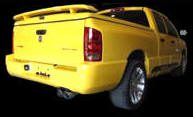
| RAM SRT-10 | 2004–2006 | SRT-10 Truck | 8.3L V10, 500hp | Viper drivetrain in a RAM 1500 |
Each of these generations is covered in full detail in its own dedicated guide, linked throughout this page and below.
Gen 1 & 2 Viper (1992–2002)
The car that started it all. Gen 1 (1992–1995) launched with an intentionally raw, minimal driving experience — no exterior door handles, no ABS, no airbags, and side-exit exhaust pipes that ran hot enough to warn owners with a warning sticker. Gen 2 (1996–2002) refined this significantly, adding the GTS coupe body style, improved chassis rigidity, and up to 450 horsepower by the end of the run.
Best for: Collectors and purists who want the original, most mechanically raw Viper experience.
Read the Full Gen 1 & 2 Viper Guide →
Shop Now: Gen 1 & 2 Viper Parts →
Gen 3 & 4 Viper (2003–2010)
A full redesign. Gen 3 (2003–2006) introduced a completely new, rounder body style, an 8.3L V10 producing 500 horsepower, and significantly improved build quality and creature comforts over Gen 1/2. Gen 4 (2008–2010) bumped displacement to 8.4L and horsepower to 600, and introduced the track-focused ACR (American Club Racer) trim.
Best for: Owners wanting a strong power-to-value balance with more modern comfort and reliability than Gen 1/2.
Watch for: Serpentine belt wear and crank sensor issues are more commonly reported on this generation — covered in the maintenance guide.
Read the Full Gen 3 & 4 Viper Guide →
Shop Now: Gen 3 & 4 Viper Parts →
Gen 5 Viper / Stryker (2013–2017)
The final and most technologically advanced generation. The Gen 5 (internally known as “Stryker” during development) brought a completely new chassis, an 8.4L V10 producing up to 645-650 horsepower in TA and ACR trims, and modern electronics including traction control and stability management — a first for the Viper.
Best for: Buyers wanting the newest, most track-capable, and best-equipped Viper with modern safety systems.
Watch for: Brake system wear under repeated track use and ignition system inspection on tuned cars — see the maintenance guide for specifics.
Read the Full Gen 5 Viper Guide →
RAM SRT-10 (2004–2006)
A genuine oddity in truck history: Dodge shoehorned the Viper’s 8.3L V10 into a RAM 1500 regular cab, creating what was, at the time, the fastest production pickup truck in the world. It shares significant drivetrain DNA with the Gen 3 Viper, meaning many maintenance considerations and even some parts overlap.
Best for: Enthusiasts who want Viper performance with truck practicality, or collectors of unusual factory performance vehicles.
Watch for: Drivetrain wear from the added weight of the truck chassis — see our dedicated RAM SRT-10 guide.
Read the Full RAM SRT-10 Guide →
How to Identify Your Viper’s Exact Generation and Trim
The fastest way to confirm your Viper’s exact specification is by VIN decode, since trim-level differences (GTS vs. RT/10, ACR vs. standard, TA vs. base) affect factory parts, suspension components, and even body panels.
Why Generation Matters for Parts and Maintenance
Because the Viper underwent major redesigns at nearly every generational shift, parts are frequently not interchangeable across generations — even components that look similar, like sway bar links, engine trim, or interior panels, often have different mounting points, materials, or dimensions from one generation to the next.
This is also why sourcing parts from a generation-aware specialist matters more with the Viper than with most vehicles — a large share of OEM parts have been discontinued by Chrysler entirely, making correct identification essential before ordering anything.
Shop by Generation: Gen 1 & 2 → | Gen 3 & 4 → | Gen 5 → | RAM SRT-10 →
Where to Go Next
This generations guide is the hub for everything else on this site. From here, explore:
- [Dodge Viper Maintenance Guide] — Full maintenance schedules and common failure points by generation
- [Dodge Viper Performance Upgrades Guide] — Stage-by-stage upgrade paths by generation
- [Dodge Viper Interior & Exterior Restoration Guide] — Cosmetic and trim restoration by generation
- [Owning a Dodge Viper Guide] — Costs, community, and buying advice for new and prospective owners
Frequently Asked Questions
How many generations of Dodge Viper are there?
Five, produced between 1992 and 2017: Gen 1 (1992–1995), Gen 2 (1996–2002), Gen 3 (2003–2006), Gen 4 (2008–2010), and Gen 5 (2013–2017), plus the related RAM SRT-10 truck (2004–2006).
What is the difference between a Gen 3 and Gen 4 Viper?
Gen 4 (2008–2010) increased engine displacement to 8.4L and horsepower to 600 (up from 500 in Gen 3), and introduced the track-focused ACR trim. Both share the same rounded body style introduced in 2003.
Which Dodge Viper generation is the most powerful?
The Gen 5 Viper (2013–2017), particularly the TA and ACR trims, produced up to 645-650 horsepower from its 8.4L V10 — the highest factory output of any generation.
Is the RAM SRT-10 the same as a Dodge Viper?
No, but it shares significant drivetrain components, including a version of the Viper’s V10 engine, installed in a RAM 1500 truck chassis. It’s considered a related but distinct vehicle.
Can I use Gen 3 Viper parts on a Gen 4 Viper?
Many components carry over between Gen 3 and Gen 4 due to their shared chassis and body, but engine and some drivetrain components differ due to the displacement and power increase. Always confirm compatibility by year and trim before ordering.