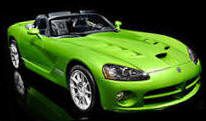

Dodge Viper: Everything You Need to Know
Few American cars generate the kind of ongoing fascination the Dodge Viper still does, nearly a decade after the last one rolled off the line. Hand-built, V10-powered, and deliberately uncompromising, the Viper spent 25 years being one of the most talked-about performance cars in the world — and it hasn’t slowed down since production ended.
This hub page is your starting point for everything Viper: history, generations, specs, what happened to it, and whether it’s ever coming back.
The Viper in Brief
- Produced: 1992–2017, with a brief pause between 2010 and 2013.
- Engine: A massive V10, ranging from 8.0L to 8.4L depending on generation.
- Power: From 400 horsepower at launch to as much as 650 horsepower in the final ACR trim.
- Built by: Chrysler/Dodge, hand-assembled at the Conner Avenue Assembly Plant in Detroit.
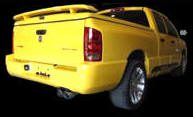
- Total generations: Five, plus the related RAM SRT-10 truck variant produced from 2004–2006.
Explore the Full Dodge Viper Guide
History and Legacy
Read: Dodge Viper History — From Concept to Cult Classic → How a wild 1989 concept car became a 25-year American icon.
Read: Why Was the Dodge Viper Discontinued? → The reasons behind the Viper’s end and the factors that led to its discontinuation.
Read: Is Dodge Bringing Back the Viper? → What Dodge’s current CEO has said about the nameplate’s future.
Specs and Generations
Read: Dodge Viper Specs & Top Speed — Every Generation Compared → A quick-reference breakdown of power, speed, and performance across all five generations.
For a deeper dive into each generation’s identifying features and known issues, see our full Generations & Buying Guide .
Common Questions
Read: Dodge Viper FAQ — Everything Owners & Fans Ask → Quick answers to the questions we hear most often.
Owning, Buying, and Maintaining a Viper
Beyond the history and specs, this site covers everything practical about Viper ownership:
- Generations & Buying Guide — Identify your exact Viper and understand what sets each generation apart.
- Maintenance Guide — Schedules, common failure points, and DIY repair guidance.
- Viper Car Parts Guide — OEM, aftermarket, and hard-to-find parts, organized by generation.
- Viper vs. Its Rivals — How the Viper compares with the Corvette, Shelby, and other performance cars.
Why the Viper Still Matters
The Viper was never the best-selling car in its class, and it was never trying to be. It was built as a deliberately raw, driver-focused machine at a time when most performance cars were adding comfort and convenience features.
That philosophy — unapologetic, occasionally uncomfortable, and always fast — is exactly why the Viper has held onto a passionate ownership community and strong collector values years after Dodge stopped building it.
Shop Now: Browse Viper Parts by Generation →Frequently Asked Questions
The Dodge Viper was produced from 1992 through 2017 across five generations, with a brief production pause between 2010 and 2013.
A combination of declining sales and a new federal ejection-mitigation safety regulation contributed to the Viper’s discontinuation. The regulation would have required airbag placement that the Viper’s cabin design could not accommodate. See our full breakdown for more details.
As of recent statements from Dodge’s CEO, there are no current plans to revive the Viper nameplate. The brand’s new performance flagship is a different model entirely. See our full update for the latest information.
Power varies by generation, from 400 horsepower in the original 1992 model up to 650 horsepower in the final-generation ACR trim.