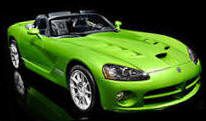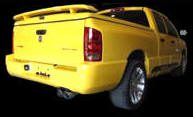
The RAM SRT-10 is one of the more unusual chapters in Dodge performance history: a genuine Viper V10 shoehorned into a RAM 1500 pickup, creating what was, at launch, the fastest production pickup truck ever built. If you own or are considering an SRT-10, here’s what makes it distinct ΓÇö and what to watch for.
Overview
Built from 2004 to 2006, the RAM SRT-10 paired the Gen 3 Viper’s 8.3L V10, producing 500 horsepower, with a RAM 1500 regular cab chassis. A Quad Cab version was added for the 2005-2006 model years, offering the same drivetrain in a more practical body style.
Key specs:
– Engine: 8.3L V10, 500 hp / 525 lb-ft (shared with Gen 3 Viper)
– Transmission: 6-speed manual (2004-2005) or 4-speed automatic (2005-2006, Quad Cab)
– 0-60: approximately 5.3 seconds
– Body: Regular Cab (2004-2006), Quad Cab (2005-2006)
– Notable: Held the production pickup truck speed record at launch
What Makes the SRT-10 Distinct
Unlike a standard performance truck built around a modified factory engine, the SRT-10 uses a genuine Viper-derived V10 ΓÇö meaning many of its drivetrain characteristics, maintenance needs, and even some parts overlap directly with the Gen 3 Viper of the same era.
The Regular Cab version, offered only with the 6-speed manual, is generally considered the more collectible variant, while the Quad Cab automatic prioritized practicality.
Common Issues on the RAM SRT-10
Drivetrain Wear
The added weight of the truck chassis compared to the Viper roadster puts additional stress on clutch and driveline components (manual Regular Cab models), leading to more frequent wear than the equivalent Viper.
[Shop Clutch Kits →]
Cooling System Stress
Trucks used for towing or hauling put additional demand on the cooling system beyond what the drivetrain was originally engineered for in the Viper application. Regular cooling system inspection is recommended, particularly for trucks with a working history.
[Shop Braided Hoses →]
Shared Viper Component Wear
Because the SRT-10 shares its V10 with the Gen 3 Viper, the same water pump, sensor, and ignition considerations that apply to Gen 3 Vipers generally apply here as well.
For full maintenance intervals and DIY repair guidance, see the [Dodge Viper Maintenance Guide].
Buying a RAM SRT-10: What to Check
– Confirm Regular Cab manual vs. Quad Cab automatic ΓÇö this significantly affects value and driving character
– Check for evidence of towing or hauling use, which accelerates drivetrain and cooling system wear
– Inspect clutch engagement (manual models) given the added stress from truck weight
– Verify mileage and maintenance history carefully, as these trucks were sometimes used as intended (as trucks) rather than preserved as collector vehicles
Parts Compatibility Notes
The SRT-10 shares significant engine and some drivetrain components with the Gen 3 Viper (2003-2006), meaning certain parts ΓÇö particularly engine components ΓÇö may cross over. However, chassis, suspension, and body components are truck-specific and not interchangeable with the Viper. Always confirm compatibility before ordering.
[Shop All RAM SRT-10 Parts →]
Frequently Asked Questions
What engine is in the RAM SRT-10?
An 8.3L V10 producing 500 horsepower, derived from the Gen 3 Dodge Viper’s engine.
Is the RAM SRT-10 the fastest pickup truck ever made?
At its 2004 launch, the RAM SRT-10 held the production pickup truck speed record, a title it held for several years.
What’s the difference between Regular Cab and Quad Cab SRT-10?
The Regular Cab (2004-2006) was offered exclusively with a 6-speed manual transmission, while the Quad Cab (2005-2006) paired the same engine with a 4-speed automatic transmission in a more practical body style.
Do RAM SRT-10 and Dodge Viper parts interchange?
Some engine components cross over due to the shared V10, but chassis, suspension, and body components are truck-specific and not interchangeable with the Viper.
What are common problems with the RAM SRT-10?
Drivetrain wear (particularly clutch components on manual models) and cooling system stress are the most commonly reported issues, especially on trucks with towing or hauling history.