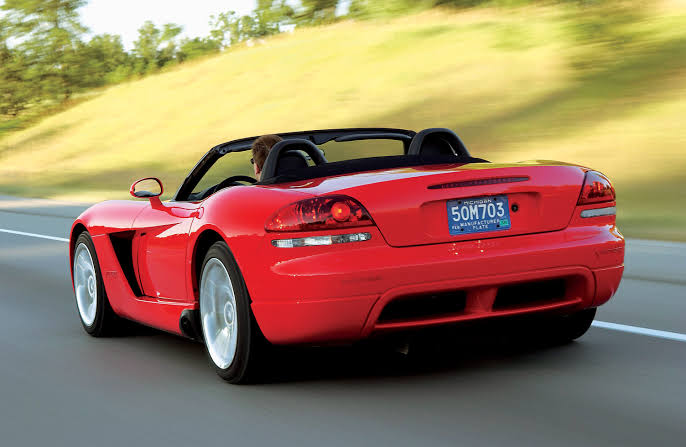
The Gen 5 Viper, developed under the internal codename “Stryker,” was the final and most advanced generation before Dodge ended Viper production in 2017. It brought a completely new chassis, the highest factory horsepower of any Viper, and the car’s first modern electronic driver aids.
Overview: The Final Generation
Gen 5 launched in 2013 with an all-new chassis, an 8.4L V10 producing up to 640 horsepower in base trim, and ΓÇö for the first time in Viper history ΓÇö standard traction control and stability management. Multiple trims were offered across the production run, including the track-focused TA (Time Attack) and ACR variants, which pushed output to 645-650 horsepower.
Key specs:
– Engine: 8.4L V10, 640-650 hp depending on trim
– Transmission: 6-speed manual (Tremec TR-6060)
– 0-60: approximately 3.4 seconds (TA/ACR)
– Trims: SRT, GTS, TA, TA 2.0, ACR, and 1:28 Edition (final ACR variant)
– Electronic stability control: standard for the first time in Viper history
Trim Breakdown
SRT / GTS: Base and grand touring trims, focused on daily usability with full luxury features
TA (Time Attack): Track-focused suspension, aero, and weight reduction over GTS
ACR (American Club Racer): The most track-extreme Viper ever produced, with adjustable aero producing significant downforce and a fully adjustable suspension
1:28 Edition: The final and rarest ACR variant, named for its record-setting lap time at Laguna Seca
Common Issues on Gen 5 Vipers
Brake System Wear
Gen 5’s higher performance ceiling ΓÇö especially on TA and ACR trims used on track ΓÇö puts more stress on factory brake components than earlier generations experienced under similar use.
[Shop Brakes →]
Ignition System Wear on Tuned Cars
Cars with aftermarket tunes report more frequent ignition system inspection needs, given the increased demands placed on the system.
[Shop Ignition Components →]
Suspension Component Wear
Given the more aggressive performance envelope of Gen 5, particularly TA/ACR trims, annual underbody inspection for suspension wear is recommended even for street-driven cars.
For full maintenance intervals and DIY repair guidance, see the [Dodge Viper Maintenance Guide].
Buying a Gen 5 Viper: What to Check
– Confirm exact trim (SRT, GTS, TA, TA 2.0, ACR, 1:28) ΓÇö this significantly affects value, parts, and suspension specification
– Check brake wear closely on any car with documented track use
– Verify whether the car has factory or aftermarket tune, as this affects maintenance intervals for ignition components
– ACR and 1:28 Edition cars carry collector premiums ΓÇö verify authenticity and documentation carefully
Parts Compatibility Notes
Gen 5 represents a completely new platform with no parts crossover to Gen 1-4 Vipers. Within Gen 5, trim-specific differences (particularly TA/ACR aero and suspension components) mean parts are not universally interchangeable across trims ΓÇö always confirm your exact trim before ordering suspension or aero components.
[Shop All Gen 5 Viper Parts →]
Frequently Asked Questions
What years is the Gen 5 Dodge Viper?
2013 through 2017, the final generation before Dodge ended Viper production.
What is the fastest Dodge Viper ever made?
The Gen 5 ACR and 1:28 Edition, producing up to 650 horsepower with track-tuned aero and suspension, represent the most track-capable factory Vipers ever produced.
What does Viper TA mean?
TA stands for Time Attack ΓÇö a track-focused Gen 5 trim positioned between the GTS and the more extreme ACR, with upgraded suspension and aero over the base car.
Does the Gen 5 Viper have traction control?
Yes ΓÇö Gen 5 was the first Viper generation to include standard electronic stability and traction control systems.
Are Gen 5 Viper parts compatible with earlier generations?
No. Gen 5 uses a completely redesigned chassis and platform with no parts crossover to Gen 1 through Gen 4 Vipers.