Viper Car Parts: The Complete Buying Guide (OEM, Performance & Discontinued)
Finding the right Viper car parts is different from shopping for parts on almost any other vehicle. Chrysler has discontinued a large share of OEM Viper components, production numbers were low to begin with, and parts frequently aren’t interchangeable across the five generations built between 1992 and 2017. This guide is your starting point for buying Viper car parts with confidence — whether you need a factory replacement, a performance upgrade, or a part Chrysler stopped making years ago.
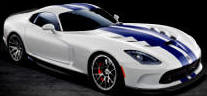
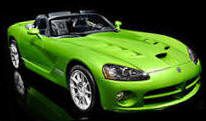
Shop Viper Car Parts by Generation
The fastest way to find the right part is to start with your exact generation, since fitment differs significantly across the years.
Not sure which generation you have? See our Generations & Buying Guide for a full breakdown by year and trim.
The Three Categories of Viper Car Parts
1. OEM & Factory Replacement Parts
Original equipment parts made to factory specification — the safest choice when originality or resale value matters, though availability is limited for older generations since Chrysler has discontinued many components.
Read: OEM vs. Aftermarket Viper Car Parts — Which Should You Buy? →2. Performance & Aftermarket Upgrades
Parts designed to improve on factory performance — intakes, exhausts, suspension, brakes, and more. These are usually more available than OEM parts and often built specifically to address known factory weak points.
Read: Viper Performance Parts — Where to Start Upgrading →3. Rare & Discontinued Parts
Components no longer manufactured by Chrysler at all. Sourcing these requires specialist knowledge — this is where a dedicated Viper parts retailer becomes essential rather than optional.
Read: Rare & Discontinued Viper Car Parts — Where to Find Them →Buying Used or On a Budget
Not every part needs to be new, and not every budget needs to stretch for premium aftermarket. Two guides to help:
Read: Used Viper Car Parts — What to Check Before You Buy →
Read: The Cheapest Way to Source Viper Car Parts Without Sacrificing Quality →
Full Directory: Viper Car Parts by Category and Generation
For a complete, filterable directory of every part category across all four generations, see our dedicated directory page:
Why Sourcing Matters More for the Viper Than Most Cars
Because the Viper was produced in relatively low volumes — especially compared to the Corvette or Mustang — and underwent major redesigns at nearly every generational shift, a large share of Viper-specific parts were never mass-produced to begin with. Combined with Chrysler’s discontinuation of many older components, this means:
- Generic auto parts stores rarely stock Viper-specific components.
- Dealership parts departments often cannot source older Viper parts at all.
- Specialist retailers who understand generation-specific fitment are frequently the only reliable source.
This is exactly why identifying your exact generation and trim — covered in our Generations Guide — is the first step before buying any part.
Frequently Asked Questions
Specialist retailers that stock generation-specific Viper parts are generally the most reliable source, particularly for older or discontinued components that Chrysler no longer supplies through dealerships.
Yes, especially for Gen 1 and Gen 2 models (1992–2002) — many OEM components have been discontinued, making specialist sourcing important for keeping an early Viper on the road.
No. The Viper underwent major redesigns across its five generations, and parts are frequently not interchangeable — always confirm your exact generation and trim before ordering.
OEM parts are made to original factory specification and are the safer choice for originality and resale value, while aftermarket parts are often more available and can offer performance improvements over factory components. See our full OEM vs. aftermarket breakdown for more detail.