Most Reliable Dodge Viper Generation: A Buyer's Breakdown
Part of our Dodge Viper vs. Its Rivals comparison series.
Every Viper generation has known weak points — that's true of any low-volume performance car with a hand-built engine. But some generations are meaningfully more reliable than others in practice. Here's an honest breakdown to help you set realistic expectations, whether you're buying your first Viper or evaluating your current one.
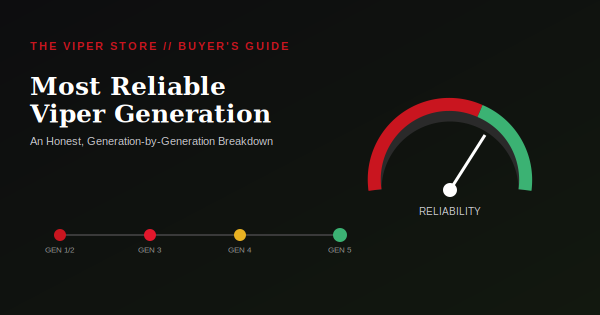
The Short Answer
However, "more reliable" is relative. Every Viper requires attentive maintenance because of its low-volume, performance-focused engineering.
Gen 1 & 2 (1992–2002): Most Raw, Most Maintenance-Intensive
These are the least refined Vipers mechanically, and it shows in reported issue frequency. Water pump problems and clutch wear are common concerns across this generation, while the lack of ABS or traction control, particularly on early Gen 1 cars, means the driving experience itself demands more attention from the driver.
Gen 3 & 4 (2003–2010): A Meaningful Step Up
The complete redesign introduced with Gen 3 brought meaningful improvements in refinement, including a more modern chassis and fewer of the rougher edges associated with the earliest cars.
Serpentine belt wear and crank sensor issues are among the commonly discussed maintenance concerns, and these are generally more predictable to diagnose and address than some of the major maintenance issues found on earlier cars.
Gen 5 / Stryker (2013–2017): The Most Refined, With Caveats
Gen 5 benefits from the most modern engineering of any Viper generation, including standard stability and traction control for the first time in Viper history.
TA and ACR trims can see more brake and suspension wear because of their more aggressive performance envelope and frequent track use. Buyers should therefore pay particular attention to documented maintenance and track history when evaluating one of these cars.
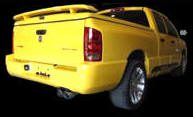
RAM SRT-10 (2004–2006): Viper Reliability, Truck Duty Cycle
Sharing its V10 architecture with the Gen 3 Viper, the RAM SRT-10 has a broadly similar engine reliability profile. However, the additional weight and different operating environment of the truck can put more stress on clutch and driveline components.
This is especially relevant for trucks that saw genuine towing, hauling or hard-use duty rather than being preserved as collector vehicles.
What Actually Determines Reliability More Than Generation
Across every generation, documented maintenance history matters more than model year alone. A well-maintained Gen 1 can be a better ownership proposition than a neglected Gen 5.
Before buying any Viper, prioritize:
- Documented service history over generation alone.
- Evidence of proactive maintenance on the known weak points for that specific generation.
- Honest disclosure of track use, which can accelerate brake, suspension and drivetrain wear regardless of generation.
Frequently Asked Questions
What is the most reliable year of Dodge Viper?
Later Gen 4 models from approximately 2008–2010 and Gen 5 models from 2013–2017 are generally among the most refined choices. They benefit from accumulated engineering improvements and, in Gen 5, modern electronic safety systems.
Are older Dodge Vipers unreliable?
Not necessarily, but they are generally more maintenance-intensive. Gen 1 and Gen 2 Vipers have well-documented concerns such as water pump problems and clutch wear, making proactive maintenance particularly important.
Does track use affect Viper reliability?
Yes, significantly. Brake, suspension and drivetrain wear can accelerate with track use regardless of generation. This is why documented usage and maintenance history can be just as important as model year when evaluating a used Viper.