Dodge Ram SRT-10 vs. Dodge Viper: What's the Difference?
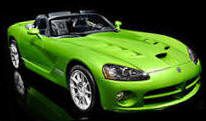
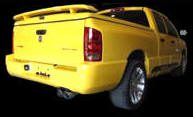
They share the same 8.3-liter Viper V10 — but the Ram SRT-10 and the Dodge Viper deliver very different experiences. Here's how the "Viper truck" actually compares to the car it borrowed its heart from.
For general SRT-10 specs and common issues, see our RAM SRT-10 Buyer's Guide .
The Shared DNA
Both vehicles used the naturally aspirated 8.3L OHV V10, producing 500 horsepower and 525 lb-ft of torque in their contemporary (2004-era) forms, paired with a 6-speed manual as the enthusiast's choice in either vehicle. That's genuinely the same architecture underneath — not a badge-engineered "Viper edition" in name only.
Where They Diverge
| Category | Ram SRT-10 (Regular Cab) | Dodge Viper (2004) |
|---|---|---|
| Body style | Full-size pickup | 2-door roadster/coupe |
| Curb weight | ~5,000+ lb | ~3,410 lb |
| 0–60 mph | ~5.3 seconds | ~3.9 seconds |
| Top speed | ~154 mph | ~190 mph |
| Transmission | 6-speed manual or 4-speed auto (Quad Cab) | 6-speed manual only |
| Original MSRP | ~$45,000–$50,000 | ~$85,000 |
| Practicality | Bed, cab seating, tow capacity | None — pure sports car |
The gap comes down to weight and aerodynamics. The Viper is roughly 1,500–1,600 pounds lighter and built as a purpose-designed sports car, so the same engine produces noticeably quicker acceleration and a much higher top speed. The truck trades that edge for a bed you can actually use and, in Quad Cab form, back seats.
Driving Character
The Viper is raw and unfiltered — minimal driver aids, a low seating position, and a chassis tuned purely for performance. It rewards (and demands) a confident driver.
The SRT-10 channels the same engine through a much heavier, higher-riding platform. Dodge reinforced the frame, lowered the ride height, added Bilstein shocks and a Dana 60 rear axle, and upgraded the brakes specifically to handle the V10's power in truck form — but it still drives, fundamentally, like a very quick truck rather than a sports car. Torque steer and wheel hop under hard acceleration were real enough that engineers added a dedicated damper to control it.
Value and Collectibility
Both have become genuine collector vehicles, but for different reasons. The Viper's rarity and outright performance make it the more "serious" collector car, with clean examples regularly trading well above $70,000. The SRT-10's appeal is its novelty — a factory pickup with a supercar engine — and its much lower buy-in, with most used examples currently trading in the $25,000–$45,000 range, occasionally higher for special editions or exceptionally low-mileage trucks.
Which Should You Buy?
- Want the fastest, purest driving experience with the Viper V10? → The Viper
- Want a daily-usable vehicle that can still embarrass sports cars off the line, plus a bed? → The SRT-10
- Want the lower cost of entry into V10 ownership? → The SRT-10, typically for significantly less than a comparable Viper
Parts Compatibility
Because the SRT-10 and the contemporary Viper share the same V10, some engine components cross over between the two — but chassis, suspension, and body parts are truck-specific and not interchangeable.
If you're sourcing parts for either vehicle, browse RAM SRT-10 parts or the equivalent Viper Gen 3 & 4 shop for compatible components, and always confirm fitment before ordering.