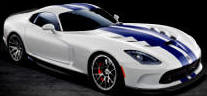
Boost Your Viper Performance With Top Upgrades: Essential Modifications for Maximum Power and Speed
The Dodge Viper is already a powerful car from the factory, but there's plenty of room to push it even further. Whether you own a Viper RT/10, Viper GTS, Viper SRT-10, or the modern Gen V SRT Viper, the right Dodge Viper performance upgrades can add significant horsepower and transform how your car performs on the street and track. Understanding your options helps you make smart choices for your build — and sourcing quality Viper performance parts from a trusted specialist like TheViperStore.com ensures you're getting parts made specifically for your car.
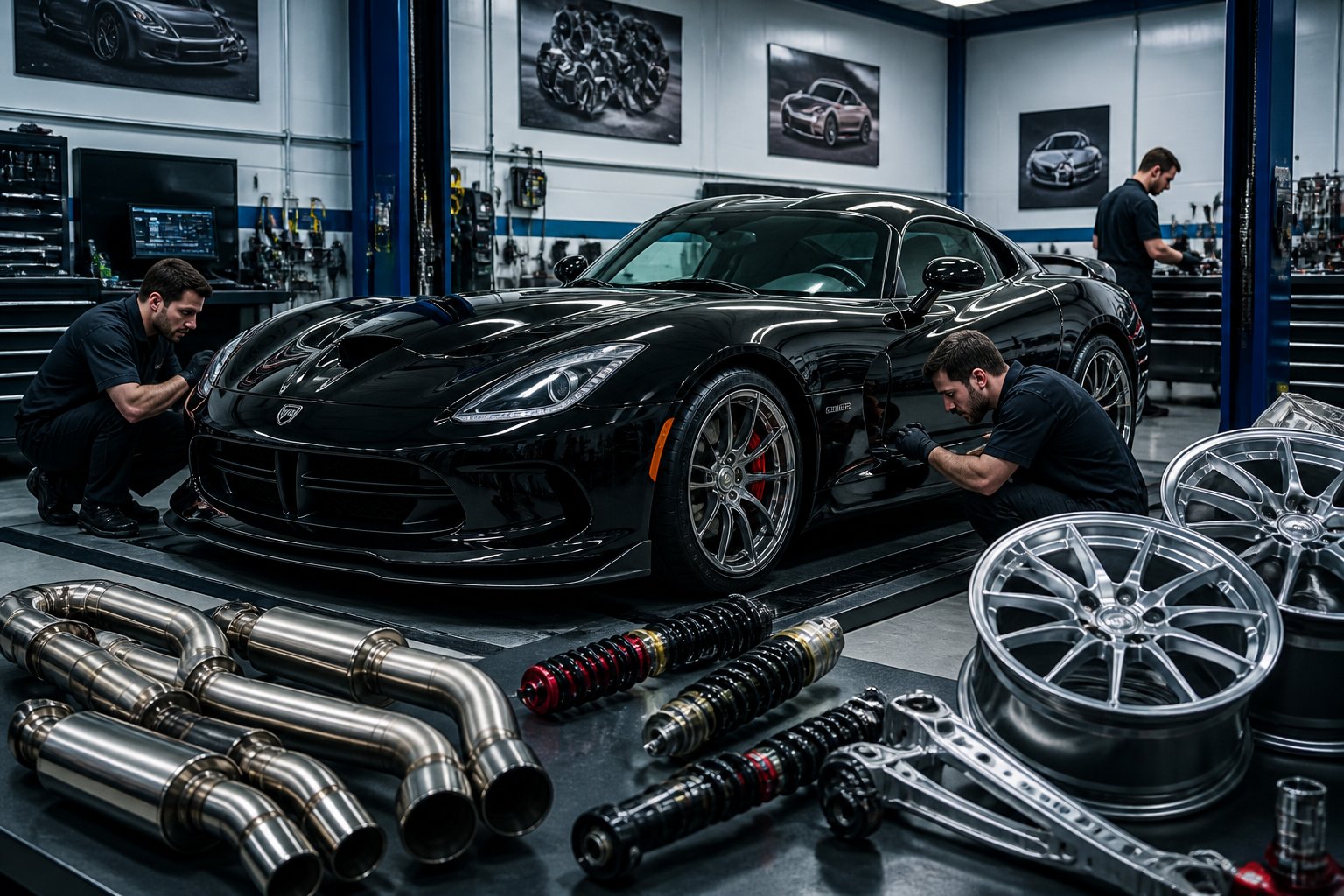
Performance upgrades for your Viper can range from simple intake and exhaust improvements that add 20–30 horsepower to complete engine builds that push power gains well over 100 horsepower. The key is knowing which modifications match your goals and budget. Some upgrades focus on raw power output; others sharpen handling, braking, or long-term reliability. At TheViperStore.com — the world's largest source of Dodge Viper parts and accessories — you can find both OEM Mopar factory components and high-performance aftermarket upgrades for every generation of Viper from 1992 through 2017.
This guide covers the essential upgrades that deliver real results. You'll learn about intake and exhaust systems, engine modifications, tuning solutions, and the supporting parts needed to handle extra power. We'll also look at chassis improvements and what you need to know about finding quality parts and installation.
Viper Gen I & II (1992–2002) | Viper Gen III & IV (2003–2010) | Viper Gen V (2013–2017)
Maximizing Power Through Intake and Exhaust Upgrades
Your Viper's mighty V10 engine needs to breathe efficiently to produce maximum power. Improving how air enters and exits the engine through Viper intake and exhaust upgrades can add significant horsepower without major internal engine modifications. These bolt-on Dodge Viper aftermarket parts are among the most popular first steps for any performance build.
Performance Cold Air Intake Systems for the Dodge Viper V10
A Dodge Viper cold air intake replaces your factory airbox with a system that draws cooler, denser air into the engine. Cold air contains more oxygen molecules than warm air, which means your V10 can burn fuel more efficiently and produce more power.
Most cold air intake kits for the Viper include a high-flow air filter and smoother intake tubes. These parts reduce air resistance compared to the stock system and allow air to move faster into your engine. For Viper owners running a Viper SRT-10 (Gen III/IV, 8.3L) or Gen V SRT Viper (8.4L), the gains are especially noticeable given the engine's large displacement.
You can expect gains of 10–15 horsepower from a quality cold air intake. The kit also improves throttle response, making your Viper feel sharper when you press the accelerator. Installation typically takes 1–2 hours with basic tools.
High-Flow and Performance Exhaust Systems for Viper RT/10, GTS, and SRT-10
A cat-back exhaust system replaces everything from your catalytic converters to the tailpipes. These systems use larger-diameter pipes and high-flow mufflers to reduce back pressure — meaning your V10 pushes exhaust gases out more easily and makes more power as a result. A proper Dodge Viper performance exhaust also delivers the deep, aggressive V10 sound that the car deserves.
Performance exhaust systems typically add 15–25 horsepower on the Viper. The system usually weighs less than the stock components, which slightly improves your power-to-weight ratio. Look for systems made from stainless steel or titanium — materials that resist rust and outlast mild steel options.
TheViperStore.com carries complete exhaust systems for multiple Viper generations, including the Gen I & II RT/10 and GTS (1992–2002) and the Gen III & IV SRT-10 (2003–2010).
Upgrading Headers for Exhaust Flow Gains
Headers replace your stock exhaust manifolds with individual tubes for each cylinder. This design improves Viper V10 exhaust flow by eliminating the restrictions found in factory manifolds, letting the engine expel burned gases faster and build power more freely.
Long-tube headers provide the best performance gains for the Viper, typically adding 20–30 horsepower. They work by giving exhaust gases more room to expand and maintain velocity through the system. Short-tube headers offer smaller gains but are easier to install.
Headers work best when combined with a cat-back exhaust system. The combination creates a complete, unrestricted path for improved flow from engine to tailpipe — a foundational upgrade in any serious Dodge Viper performance build.
Integrating Exhaust Components for Maximum Output
Combining intake and exhaust upgrades creates the biggest bolt-on power gains. When you install a cold air intake with headers and a cat-back system, these parts work together to maximize airflow through your V10.
This complete bolt-on setup can add 40–60 horsepower to your Viper. The key is matching component sizes correctly — your exhaust pipe diameter should match your header collectors, and your intake should supply enough air for the increased exhaust flow. After installing multiple components, a professional tune is strongly recommended to take full advantage of the improved airflow and maintain safe air-fuel ratios.
Browse Viper exhaust and intake parts for your specific generation at TheViperStore.com.
Engine Modifications for Significant Horsepower Gains
The Dodge Viper's V10 engine responds exceptionally well to internal modifications that can add 100 to 160 horsepower to your stock setup. Whether you're building a Viper GTS race car, a Viper SRT-10 street machine, or a Gen V SRT Viper track weapon, professional engine upgrades focus on improving airflow through better cylinder heads, upgrading fuel delivery systems, and installing performance camshafts with upgraded internal components. These are among the most powerful Dodge Viper engine upgrades available.
Cylinder Head and Intake Manifold Improvements
Upgraded cylinder heads represent one of the most effective Dodge Viper V10 modifications. Machined aluminum heads designed specifically for the Viper block improve airflow significantly over factory units.
These heads typically feature larger ports and improved valve flow characteristics. When combined with a custom upper intake manifold, you can expect gains of 100 to 150 horsepower at the crank — transforming an already fast Viper RT/10 or GTS into a truly track-ready machine.
Key components in this upgrade include:
- CNC-ported aluminum cylinder heads
- Custom upper intake manifold
- Improved valve springs and retainers
- Matched port work
The cylinder head modifications work by allowing more air-fuel mixture into the combustion chambers, translating directly to more power across the entire RPM range. Finding the right machined components for your specific Viper generation is easier when you work with a Viper-dedicated supplier. TheViperStore.com carries both OEM Mopar Viper parts and performance upgrades for all five generations, and their team can help you identify the correct components for your exact model year.
Fuel System and Injector Enhancements
Your upgraded Viper V10 engine needs more fuel to match the increased airflow. Larger fuel injectors ensure proper fuel delivery at higher power levels, while performance fuel rails improve fuel distribution to all cylinders. These rails maintain consistent pressure even under demanding track conditions.
Proper Dodge Viper fuel system upgrades prevent dangerous lean conditions that could damage your engine. Most complete performance kits include matched injectors sized appropriately for the expected power output. Your tuner will calibrate the air-fuel ratio during dyno tuning to optimize performance and reliability across the full rev range.
Performance Cams and Internal Upgrades for the Viper V10
Performance camshafts alter valve timing and lift to maximize power output. Stage 2 camshaft packages deliver substantial gains when paired with upgraded heads and intake systems on the Viper 8.0L (Gen I/II), 8.3L (Gen III/IV SRT-10), or 8.4L (Gen V SRT Viper) engines.
For serious power builds, internal engine upgrades including forged rotating assemblies are the foundation. A complete internal upgrade with a stroker kit can increase displacement from 8.4L to 9.0L. These builds can achieve over 747 naturally aspirated rear-wheel horsepower — putting the Dodge Viper in elite supercar territory without forced induction.
Critical internal components include:
- Forged pistons and connecting rods
- Balanced crankshaft
- Performance bearings
- Upgraded valve train components
These modifications require professional installation and custom tuning. The combination of upgraded heads, cams, and increased displacement creates massive torque gains across the entire rev range — the hallmark of a purpose-built Viper performance engine.
Advanced Tuning and Forced Induction Solutions
Getting serious power from your Dodge Viper SRT-10 or Gen V SRT Viper requires two key upgrades: a capable engine management system that handles increased performance demands, and a forced induction setup that delivers substantial horsepower gains. These are the builds that push modified Vipers into the 800–1,000+ horsepower range.
ECU Tuning and Custom Calibration for Viper Performance Builds
The stock ECU can't properly manage the air and fuel requirements of high-performance Viper V10 modifications. A standalone engine management system gives you complete control over every tuning parameter.
The Motec M150 is a popular choice among Dodge Viper performance builders pursuing big power gains. This plug-and-play system replaces your factory ECU and comes with a startup calibration matched to your specific setup. You can add inputs for sensors like fuel pressure, flex fuel, boost control solenoids, and MAP sensors.
Key tuning parameters you'll adjust:
- Air/fuel ratios
- Ignition timing maps
- Boost pressure control
- Fuel injector scaling
- Rev limits
Custom calibration is essential when you add forced induction or make major internal engine changes to your Viper GTS, Viper SRT-10, or Gen V SRT Viper. Your tuner will use a chassis dyno to dial in the engine management system, ensuring your Viper runs safely while making maximum power.
Supercharger and Turbocharger Kits for the Dodge Viper V10
Forced induction is the fastest way to add 200+ horsepower to your Viper and is one of the most dramatic Dodge Viper performance upgrades available. You have two main options: superchargers and turbochargers.
Supercharger kits like the Procharger F1 system offer 1,000+ horsepower potential in a complete package. These centrifugal superchargers provide instant throttle response and deliver power across the entire RPM range. Installation requires supporting modifications including upgraded fuel systems, engine management, and often head studs to handle increased cylinder pressure.
Twin turbo setups produce massive peak horsepower numbers at elevated boost levels but typically cost more than supercharger systems. Either way, both options require a full suite of supporting upgrades — fuel injectors, fuel pump, intercooler, and exhaust — to safely handle the added power in your Viper SRT-10 or Gen V SRT Viper.
Whether you're starting with bolt-on Dodge Viper aftermarket parts or planning a complete forced induction build, sourcing from a Viper-dedicated specialist makes the process far easier. TheViperStore.com has been serving the global Viper community since 2005, offering the world's largest selection of factory OEM Mopar parts, performance upgrades, and made-in-USA Viper accessories for every generation — from the classic Gen I & II RT/10 and GTS all the way through the Gen V SRT Viper (2013–2017).
Visit TheViperStore.com — your one-stop source for OEM Mopar Viper parts, performance upgrades, and exclusive made-in-USA Viper accessories. Ships worldwide to 56+ countries.
📞 (352) 688-8160 | Mon–Thu 10 AM–4 PM EST | admin@TheViperStore.com